‘Left-Wing’ Communism: An Infantile Disorder
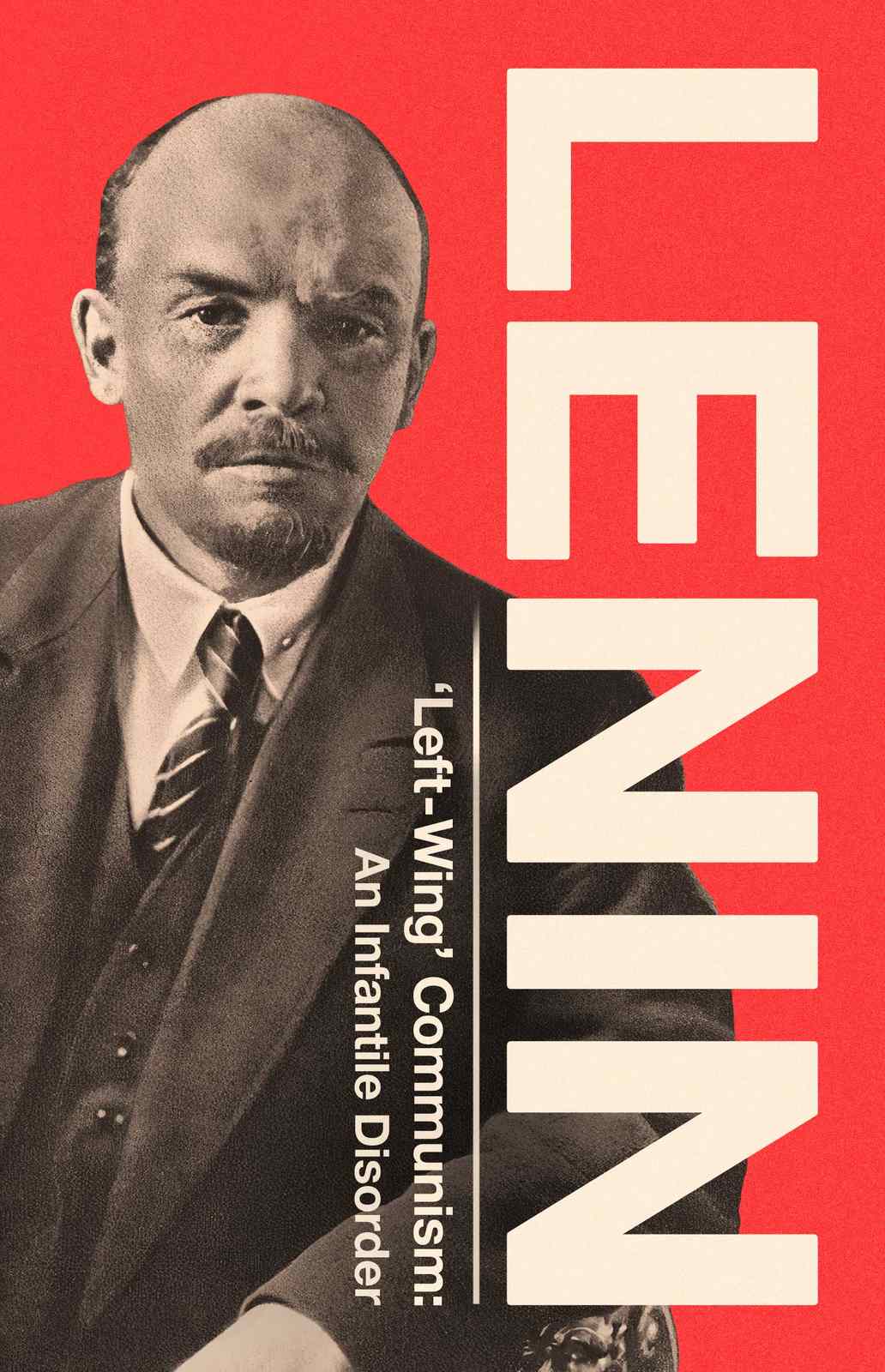
The Bolsheviks led the workers to power in the October Revolution of 1917. To ensure its survival, they grappled with the task of spreading the revolution beyond Russia. ‘Left-Wing’ Communism: An Infantile Disorder was written in 1920 to educate the newly-formed communist parties of the Third International, and to correct the ultra-left, sectarian trends that infected many of them. Inspired by the Revolution and repelled by the betrayals of social democracy, these communists had not absorbed the real lessons of Bolshevism. The majority of workers still looked to reformist parties, and needed to be won away from the influence of reformist leaders in these. The task was to win them over to the banner of revolutionary communism. In this text, Lenin explains the methods and skilful tactics of the Bolshevik Party, which enabled them to win over a majority of the workers to their programme. Without this strategic brilliance, there would have been no October Revolution. Any serious revolutionary communist today must study, absorb and apply Lenin’s methods on these vital questions of revolutionary strategy and tactics.
Contents
- Introduction
- Introduction by Leon Trotsky
- ‘Left-Wing’ Communism: An Infantile Disorder
- 1. In What Sense We Can Speak of the International Significance of the Russian Revolution
- 2. An Essential Condition of the Bolsheviks’ Success
- 3. The Principal Stages in the History of Bolshevism
- 4. The Struggle Against Which Enemies Within the Working-Class Movement Helped Bolshevism Develop, Gain Strength, and Become Steeled
- 5. ‘Left-Wing’ Communism in Germany. The Leaders, the Party, the Class, the Masses
- 6. Should Revolutionaries Work in Reactionary Trade Unions?
- 7. Should We Participate in Bourgeois Parliaments?
- 8. No Compromises?
- 9. ‘Left-Wing’ Communism in Great Britain
- 10. Several Conclusions
- Appendices
No chapters match your filter.