Home / Marxist Corpus / Marx & Engels Collected Works Marx & Engels Collected Works
The fifty-volume Marx & Engels Collected Works bring together Marx and Engels’s published writings, correspondence, notebooks, and preparatory material in a single searchable sequence. These reading pages preserve the structure, notes, illustrations, and internal links of the prepared EPUB volumes.
For internal use only: this is a private working edition, not a public or publisher-issued edition. Text, navigation, typography, and supporting material may continue to be corrected as the full corpus is reviewed.
Recent activity Running record of MECW content-viewer syncs. Newest first.
No material changes in this sync.
Newly visible: 02, 03, 04, 05, 06, 07, 08, 10, 11, 12, 13, 15, 16, 18, 19, 20, 21, 22, 23, 24, 25, 26, 28, 29, 30, 31, 32, 33, 35, 36, 37, 38, 39, 40, 41, 42, 43, 44, 45, 46, 47, 48, 49, 50
Changed: 02, 03, 04, 05, 06, 07, 08, 10, 11, 12, 13, 15, 16, 18, 19, 20, 21, 22, 23, 24, 25, 26, 28, 29, 30, 31, 32, 33, 35, 36, 37, 38, 39, 40, 41, 42, 43, 44, 45, 46, 47, 48, 49, 50
First unified Comrades/Hovercraft baseline across MECW, LCW, and Wellred.
Volume 25 excluded from the candidate manifest until it imports cleanly; its
old candidate and imported tree are backed up in scratch.
Deployed the refreshed MECW set to Harvey.
Full changelog
Type to filter the available volumes, or use site search for titles and summaries, or browse/search all 2553 chapters .
Volume 2 Young Engels’s writings and letters from 1838–42, spanning poetry, journalism, political and literary criticism, and his wide-ranging interests in science, culture, and sport. Volume 3 Marx and Engels’s writings from 1843–44 trace their movement from idealism toward materialism, including Marx’s critique of Hegel’s philosophy of law and economic-philosophical manuscripts alongside Engels’s early polit… Volume 4 Works from the first period of Marx and Engels’s collaboration in 1844–45, including The Holy Family, Engels’s study of the working class, Marx’s political-economic criticism, and related manuscripts and speeches. Volume 5 The German Ideology and connected writings, including the Theses on Feuerbach, which mark the formation of historical materialism and the theory of scientific communism. Volume 6 Writings from the eve of the European revolutions of 1848–49, including Poverty of Philosophy, the Communist Manifesto and its drafts, Communist League documents, and articles establishing Marxist theory and programme. Volume 7 Marx and Engels’s revolutionary writings from March–November 1848, centred on the Neue Rheinische Zeitung, national liberation movements, and the practical organisation of revolutionary democracy. Volume 8 Writings from November 1848 to March 1849 analysing the German counter-revolution and revolutionary movements in Italy and Hungary, together with efforts to regroup democratic forces. Volume 10 Post-revolutionary analyses from 1849–51, including The Class Struggles in France, the campaign for the German constitution, political-economic studies, and documents on rebuilding the Communist League. Volume 11 Marx and Engels’s 1851–53 analyses of revolution and reaction, including The Eighteenth Brumaire of Louis Bonaparte, Revolution and Counter-Revolution in Germany, and the Cologne Communist Trial. Volume 12 Journalism from 1853–54 on European economies, democratic and workers’ movements, colonial policy, national liberation, and the international tensions that led to the Crimean War, with Marx’s notes on Carey. Volume 13 Articles from 1854–55 on the Crimean War, democratic and working-class politics, and the history and revolutionary problems of Spain, drawn largely from the New York Daily Tribune and Neue Oder-Zeitung. Volume 15 Marx and Engels’s 1856–58 journalism on capitalist crisis, European powers, colonial expansion, the Indian uprising, and the Spanish revolutions, alongside their unfinished diplomatic history. Volume 16 Writings from 1858–60 on the unification of Italy and Germany, national-democratic movements, colonial policy, and the domestic and foreign affairs of Britain, France, and other powers. Volume 18 Articles for the New American Cyclopaedia and military journals, in which Marx and Engels examine warfare, military organisation, strategy, and colonial expansion through materialist and historical analysis. Volume 19 Writings from 1861–64 on the US Civil War, political economy, European policy, colonialism, labour, and national liberation, with documents on Marx’s Prussian citizenship. Volume 20 The first major volume on Marx and Engels’s work in the First International, including its documents and speeches, responses to Volume One of Capital, and material on Marx’s leadership. Volume 21 Writings from 1867–70 on consolidating the First International, including Marx’s and Engels’s political and biographical work, the Irish question, and articles by Jenny Marx. Volume 22 Works from 1870–71 on the Franco-Prussian War and the First International, including the General Council’s addresses and Engels’s connected military surveys published as Notes on the War. Volume 23 First International documents and other writings from 1871–74 on the state, class struggle, political power, and the Paris Commune, including On Authority and related Marxist political analyses. Volume 24 Writings from 1874–83 on the growth of mass workers’ parties, scientific socialism, and the social and economic development of Russia, including the possibility of a non-capitalist path. Volume 25 Engels’s Anti-Duhring and Dialectics of Nature, presenting systematic treatments of Marxism, materialist dialectics, social development, and the relationship between philosophy and natural science. Volume 26 Engels’s major writings from 1882–89, including The Origin of the Family, Private Property and the State, Ludwig Feuerbach, The Role of Force in History, and prefaces defending Marxist theory and revolutionary strategy. Volume 28 The main part of Marx’s 1857–58 economic manuscripts, including Bastiat and Carey, the Introduction, and the opening sections of the Grundrisse and critique of political economy. Volume 29 The continuation of Marx’s 1857–58 economic manuscripts, including the remaining Grundrisse material, A Contribution to the Critique of Political Economy, and preparatory notes. Volume 30 The opening portion of Marx’s 1861–63 economic manuscript, covering transformations of money into capital, absolute surplus value, and the beginnings of the theories of surplus value. Volume 31 A continuation of the 1861–63 economic manuscript, centred on its extended treatment of the theories of surplus value. Volume 32 Further continuation of Marx’s 1861–63 theories of surplus value, including discussions of Ricardo, Malthus, and the breakdown of the Ricardian school. Volume 33 Later sections of the 1861–63 manuscript on mercantile and money-dealing capital, profit, reproduction, and the continuing theories of surplus value. Volume 35 Volume I of Capital, Marx’s principal work on the process of producing capital, with the editorial and historical material accompanying the text. Volume 36 Volume II of Capital, edited by Engels from Marx’s unfinished manuscripts and focused on the circulation, transformation, and realisation of individual and social capital. Volume 37 Volume III of Capital, prepared by Engels from Marx’s manuscript and devoted to the concrete forms of capitalist production as a unity of production and circulation. Volume 38 Letters from 1844–51 covering the formation of Marxism, the revolutions of 1848–49, the first practical links between communist theory and the workers’ movement, and the beginning of political exile. Volume 39 Letters from 1852–55 illuminating Marx and Engels’s studies, journalism, collaboration, contacts with workers’ circles, and resistance to police and judicial persecution after the defeat of the revolutions. Volume 40 Correspondence from 1856–59 on Marx’s economic research and the first draft of Capital, their journalism, Engels’s military studies, and the political and family networks recorded in the appendix. Volume 41 Letters from 1860–64 tracing Marx’s second draft of Capital, political and journalistic work, the German workers’ movement, the critique of Lassallean politics, and family history. Volume 42 Correspondence from 1864–68 linking the foundation of the First International and publication of Volume One of Capital with international politics, personal life, and Marx and Engels’s close collaboration. Volume 43 Letters from 1868–70 on Marx and Engels’s work in the First International and their preparation of the Brussels and Basle congresses. Volume 44 Correspondence from 1870–73 on the Franco-Prussian War, the final years of the First International, working-class movements across several countries, and the Marx family appendices. Volume 45 Letters from 1874–79 reflecting the post-Paris Commune development of Marxist theory, the emergence of socialist parties, and the international spread of Marx and Engels’s ideas. Volume 46 Correspondence from 1880 to Marx’s death in 1883, showing Engels’s support for workers’ leaders, Marx and Engels’s influence on party programmes, and their attention to labour movements in France, Britain, and Ireland. Volume 47 Engels’s letters from 1883–86 after Marx’s death, covering the preparation of Capital’s unfinished volumes, his wide socialist correspondence, and his work on movement tactics. Volume 48 Engels’s letters from 1887–90 on socialist contacts, American publishing, his own writings, the working-class movement, and the danger that rivalry among European powers would lead to war. Volume 49 Engels’s letters from 1890–92 on forming socialist parties and the Second International, preparing new editions and translations, and clarifying Marxist ideas against distortion. Volume 50 Engels’s final letters from 1892–95, including his sustained work preparing Volume III of Capital for publication.
No volumes match your filter.
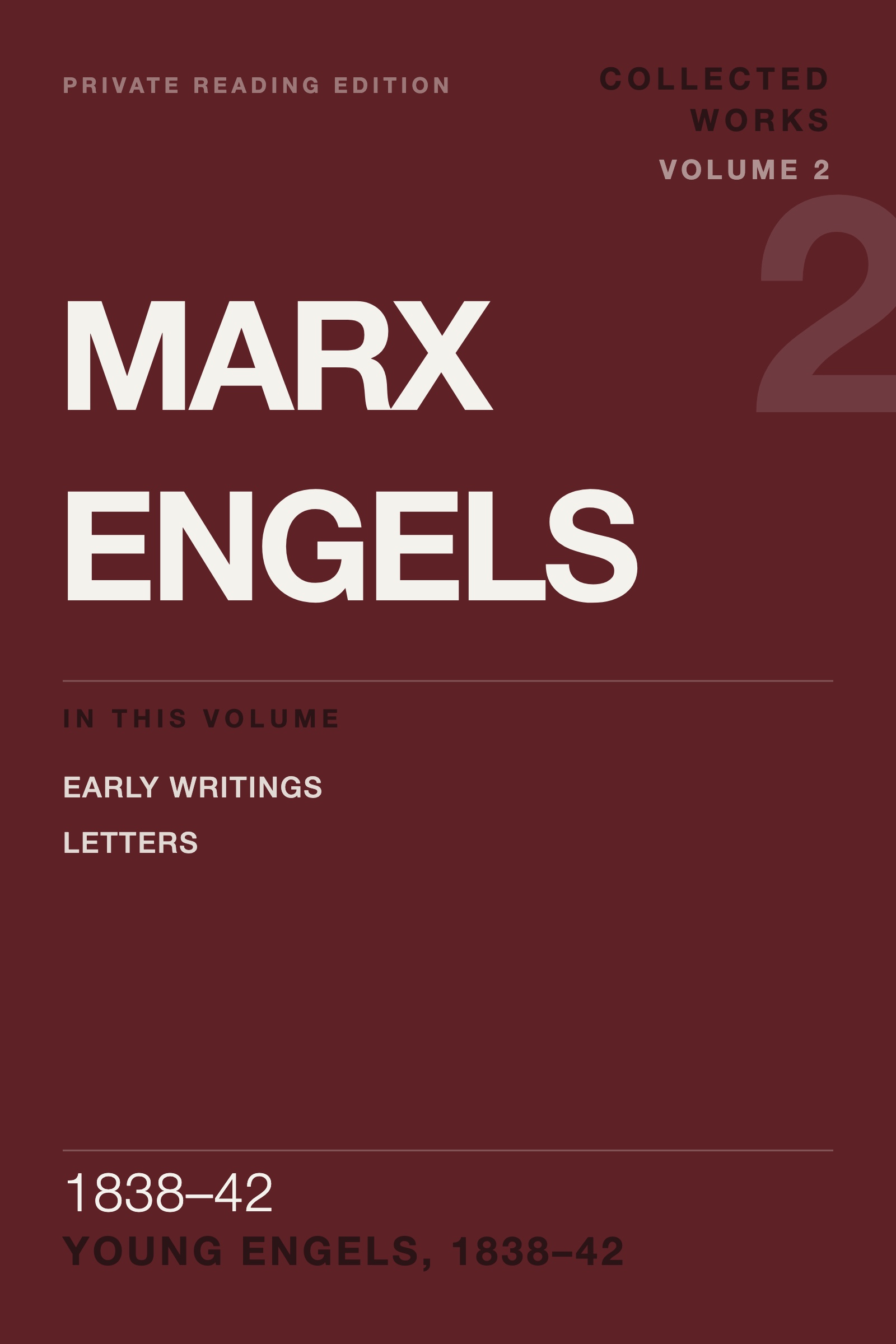 Volume 2
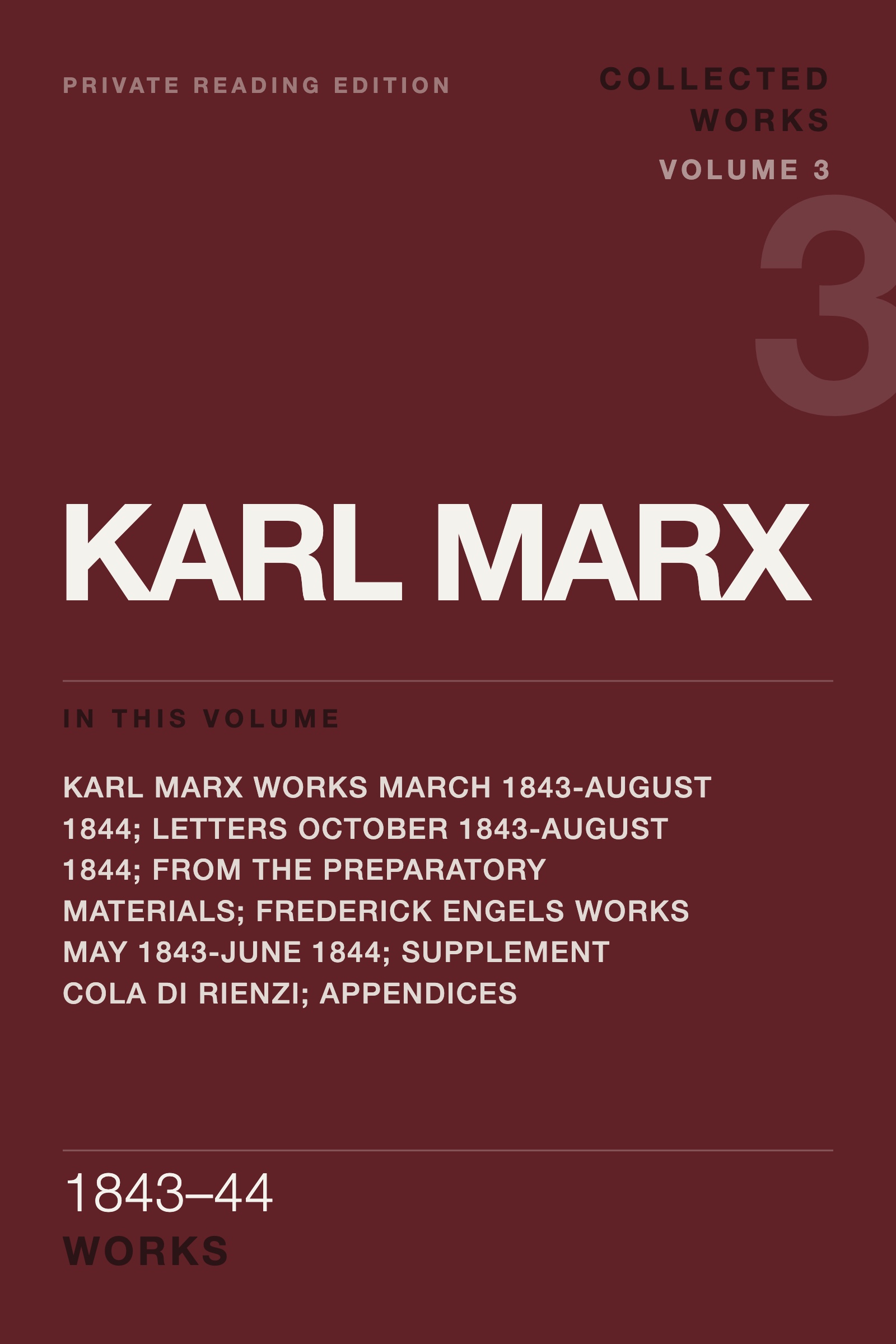 Volume 3
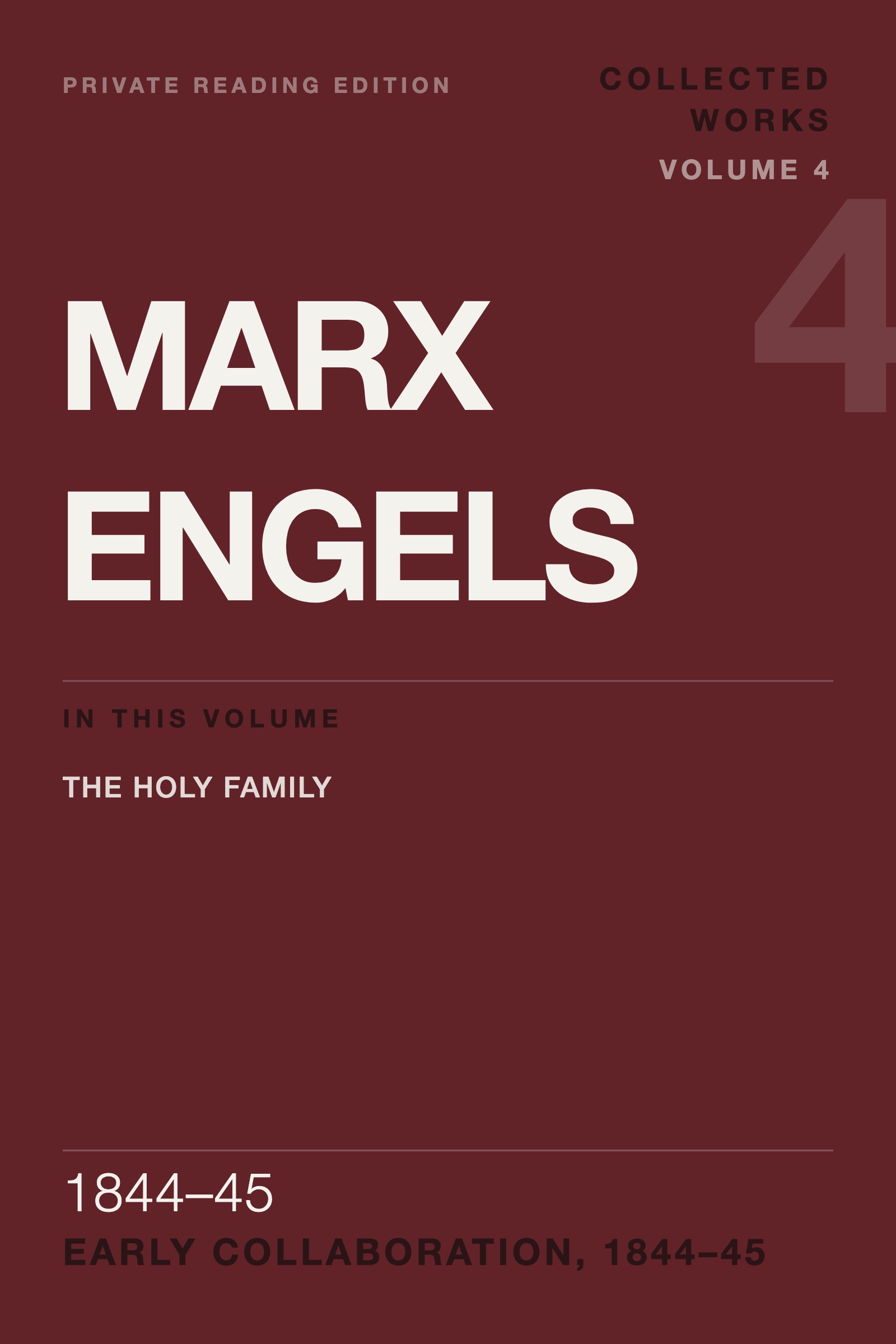 Volume 4
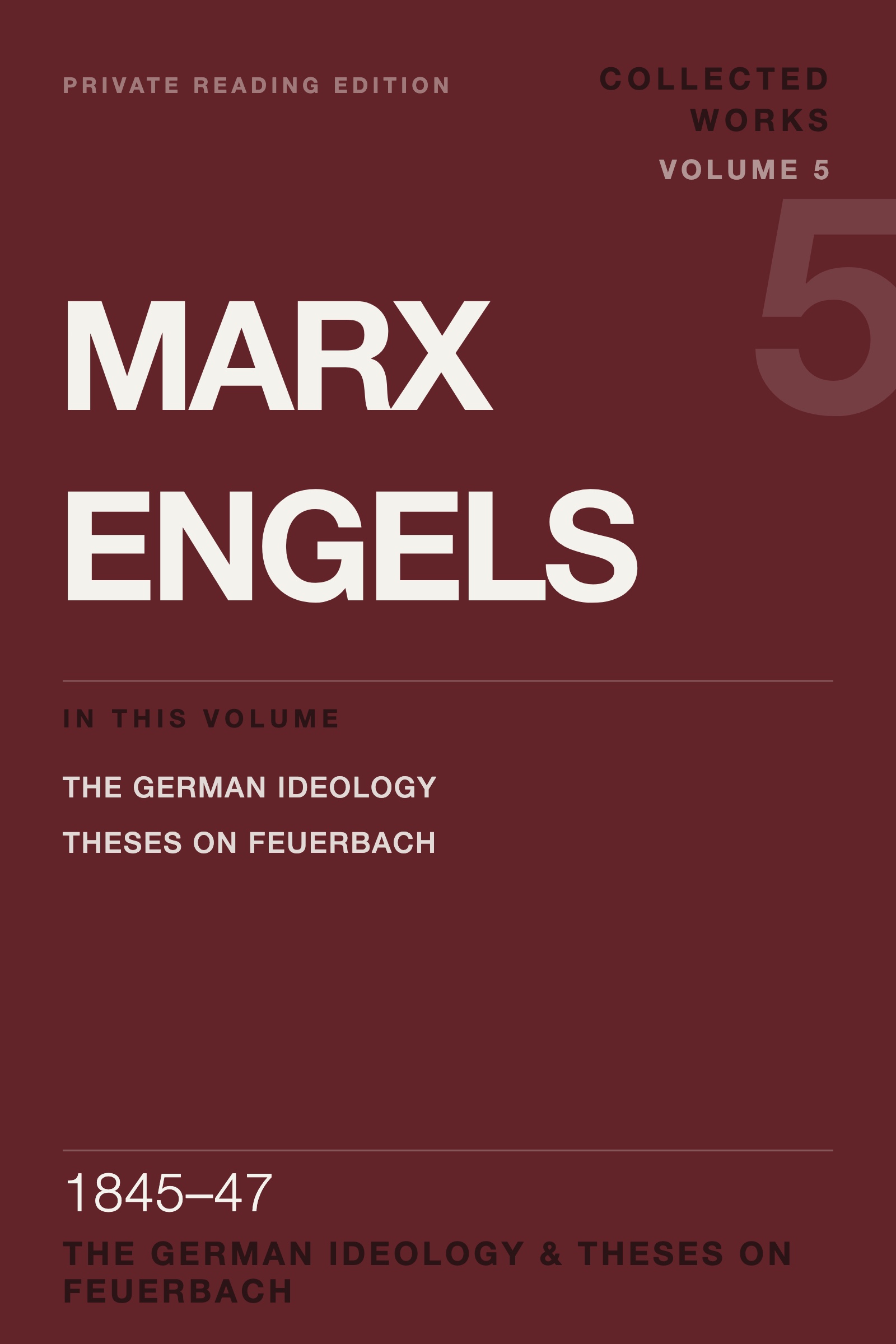 Volume 5
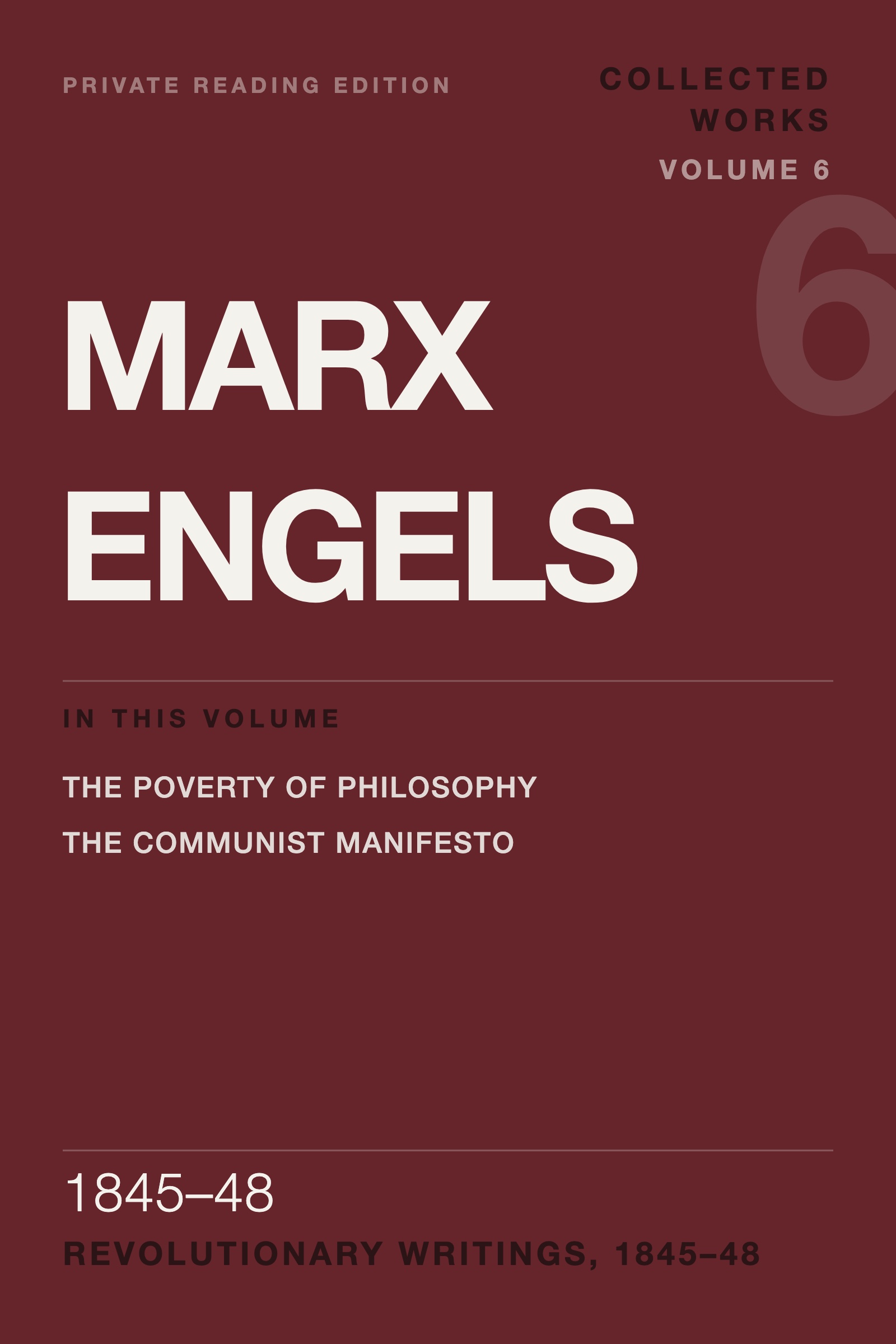 Volume 6
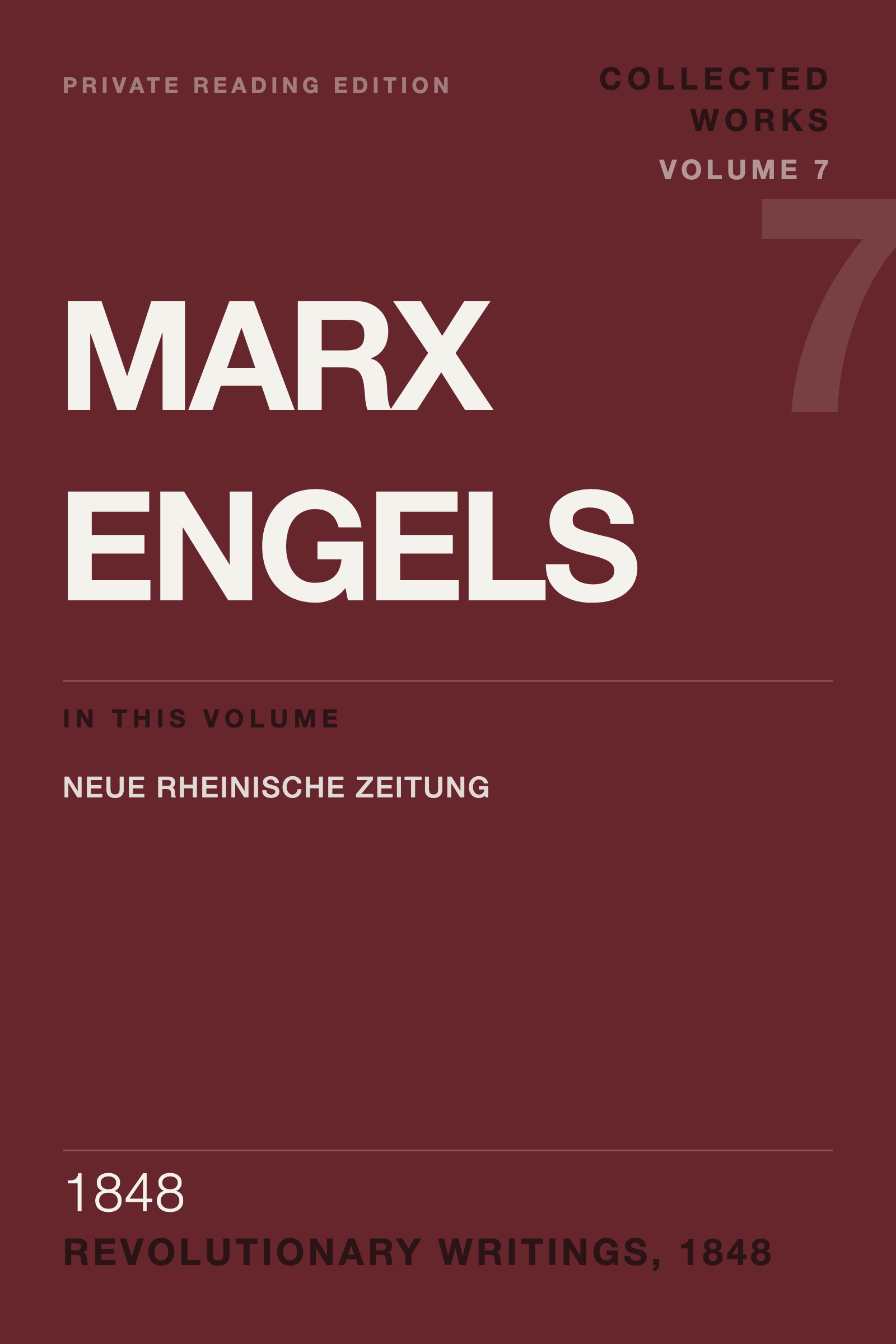 Volume 7
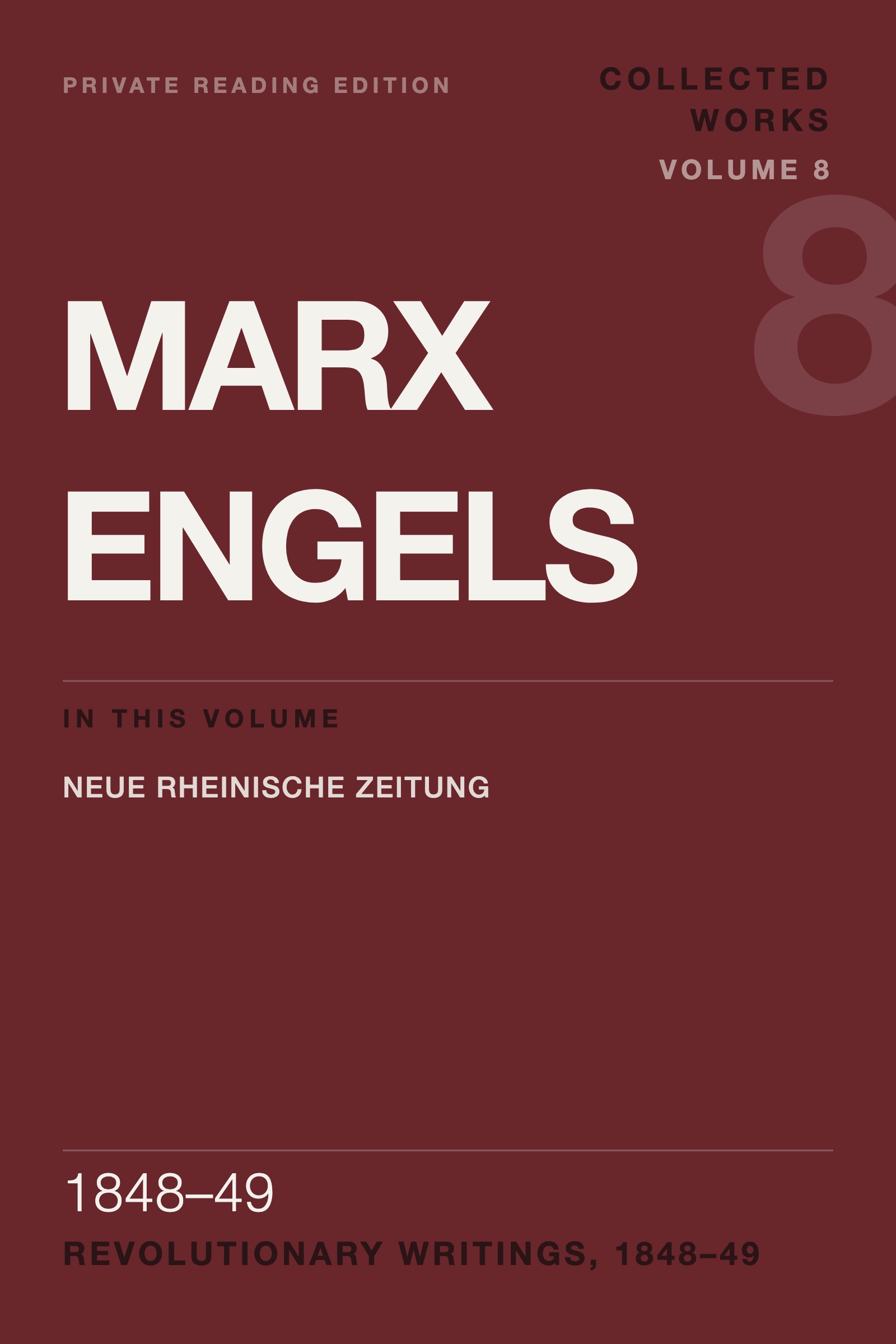 Volume 8
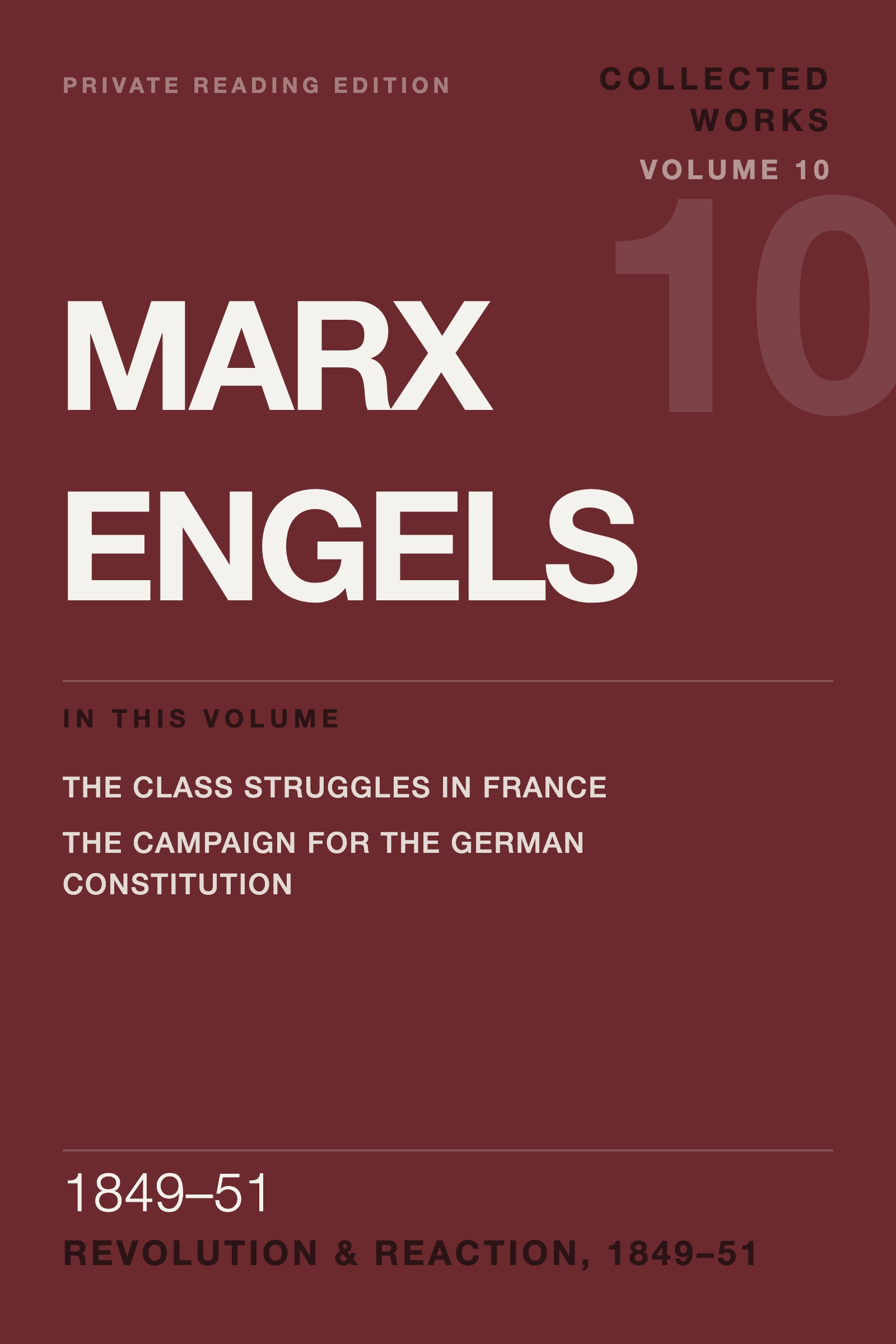 Volume 10
 Volume 11
 Volume 12
 Volume 13
 Volume 15
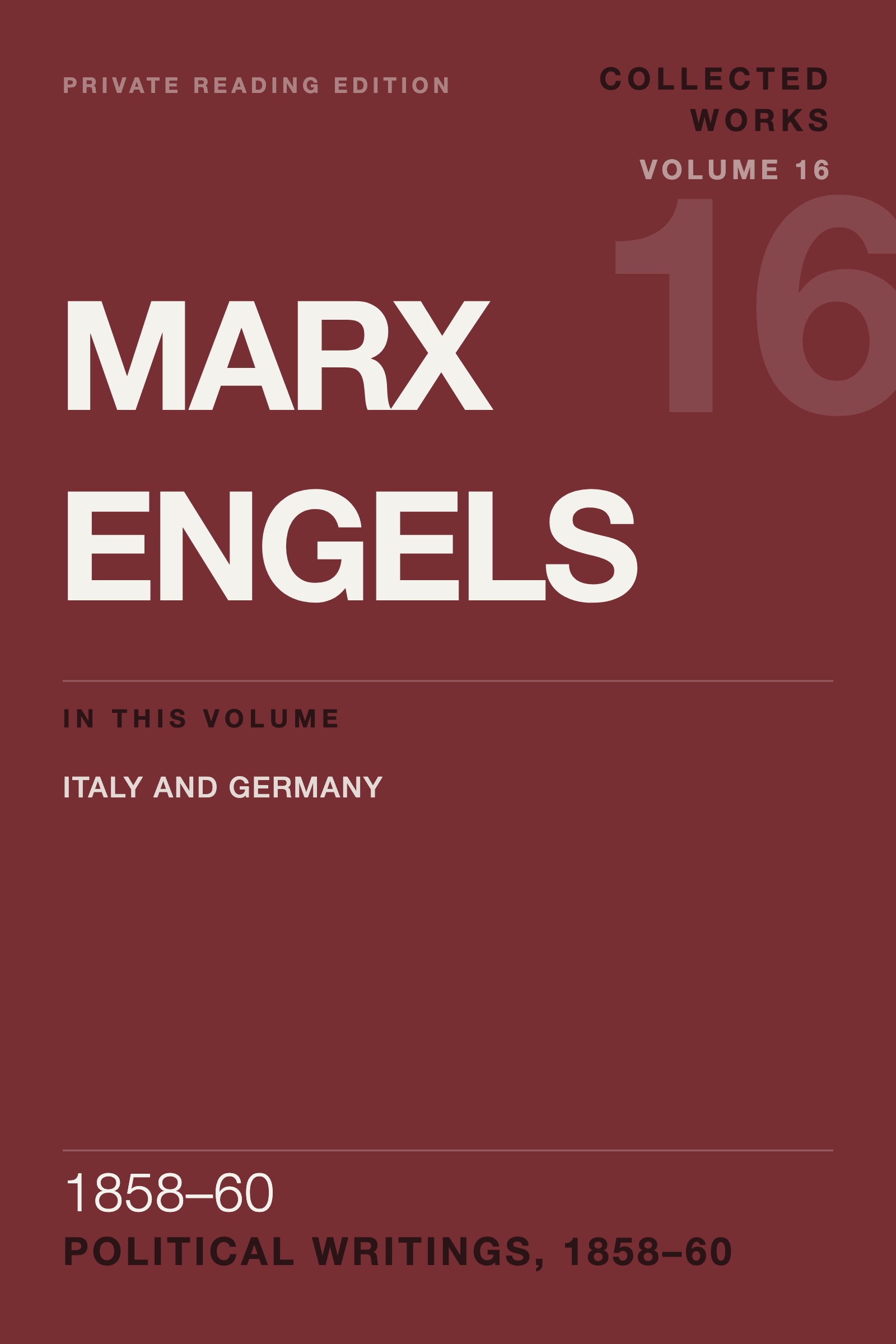 Volume 16
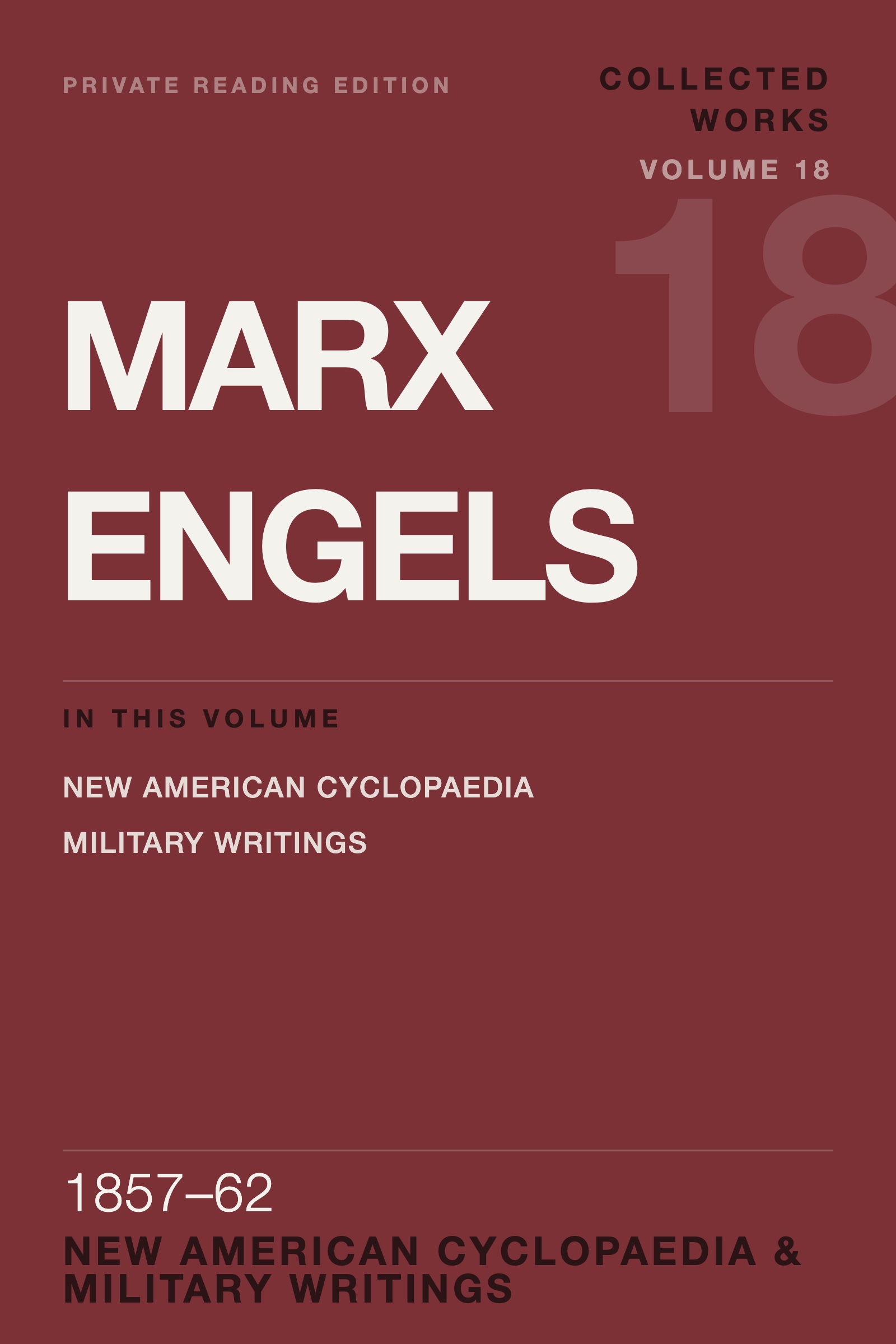 Volume 18
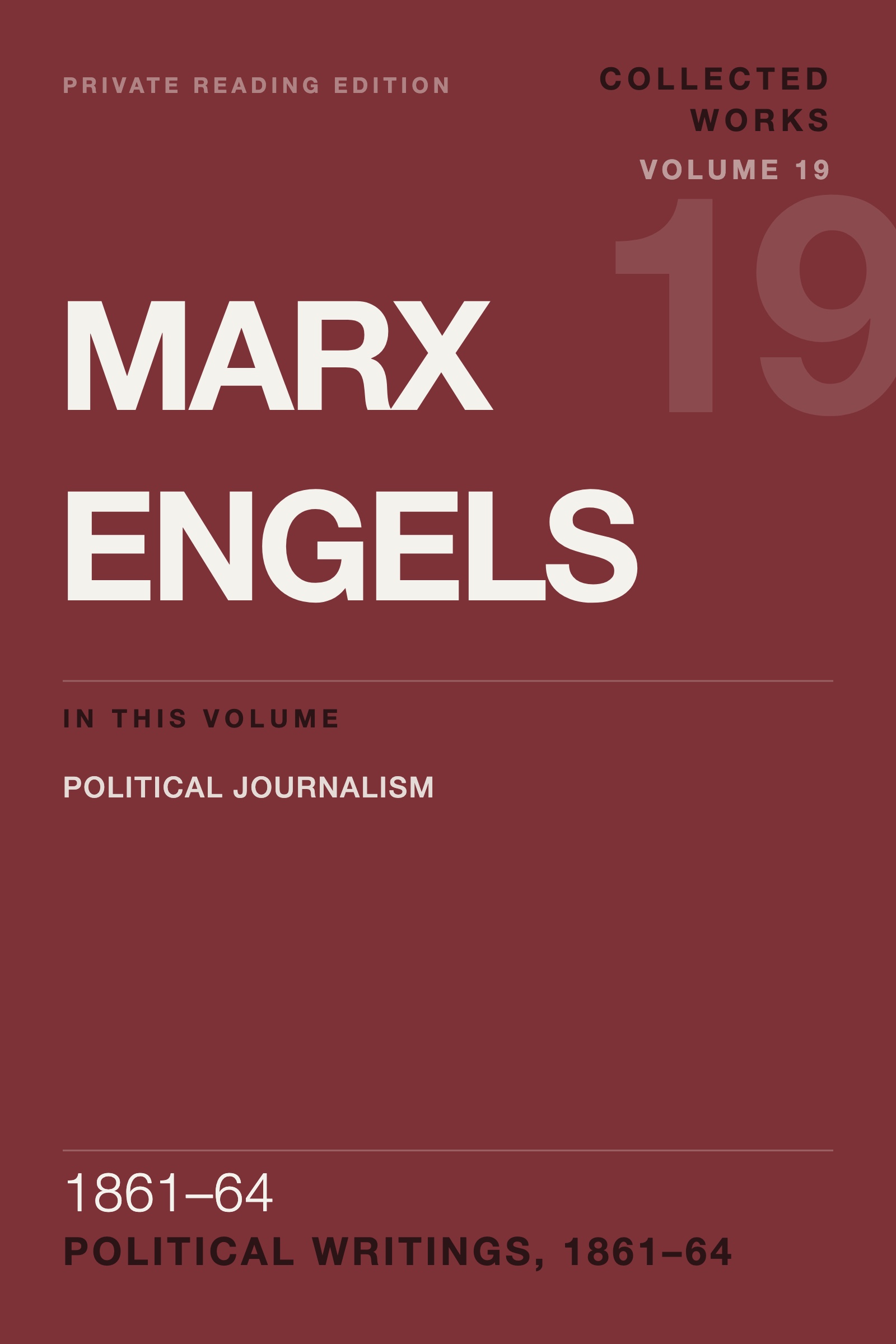 Volume 19
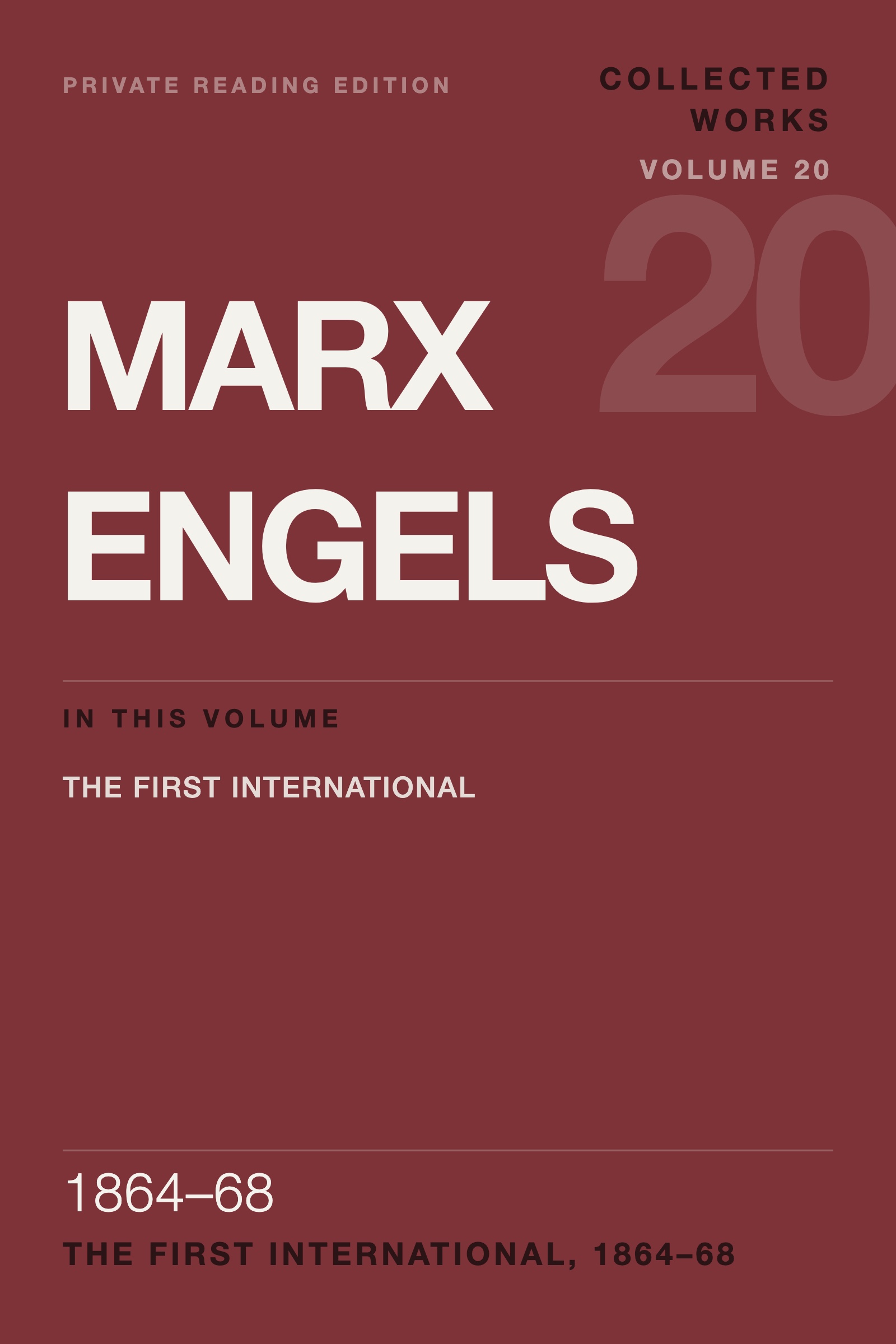 Volume 20
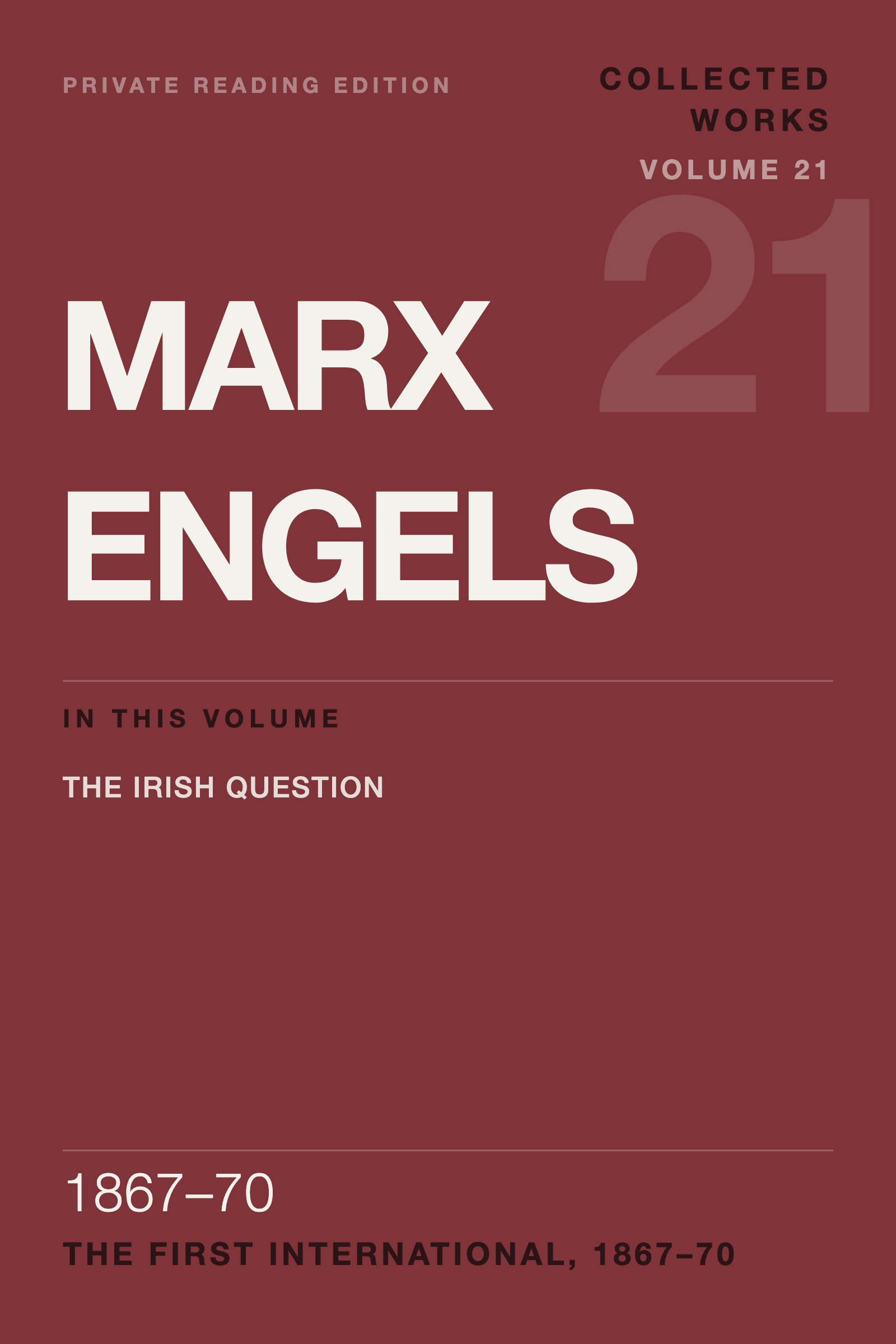 Volume 21
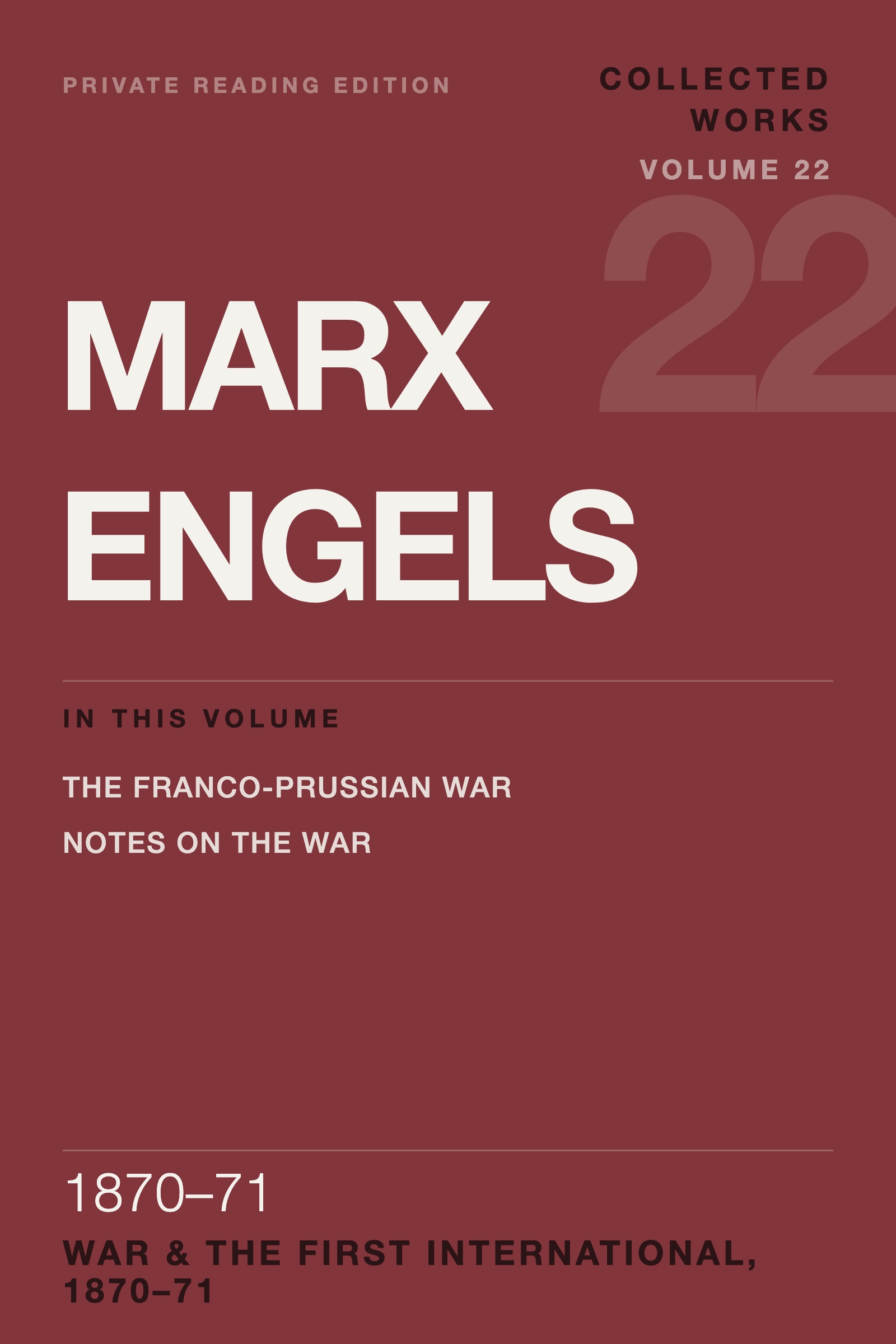 Volume 22
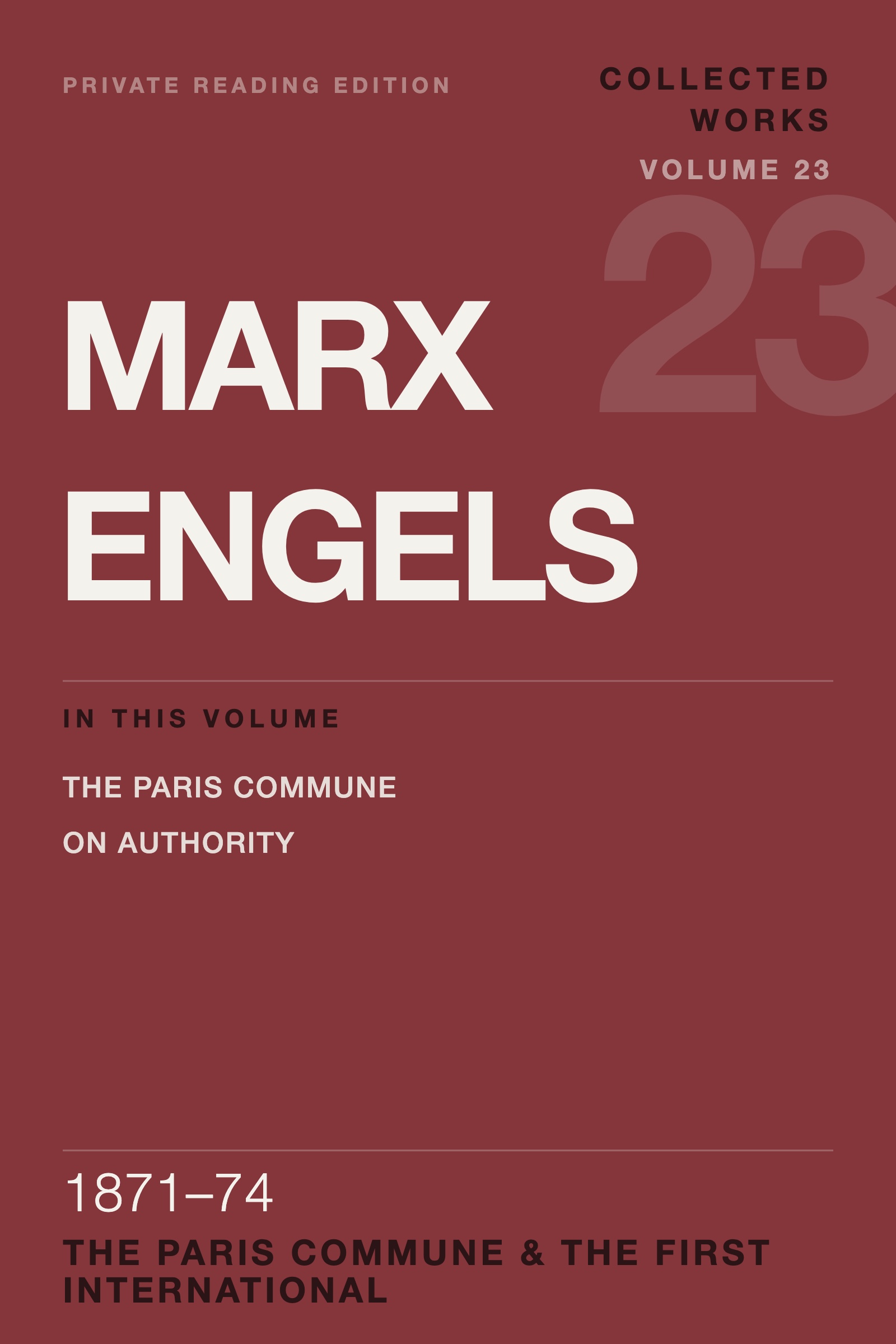 Volume 23
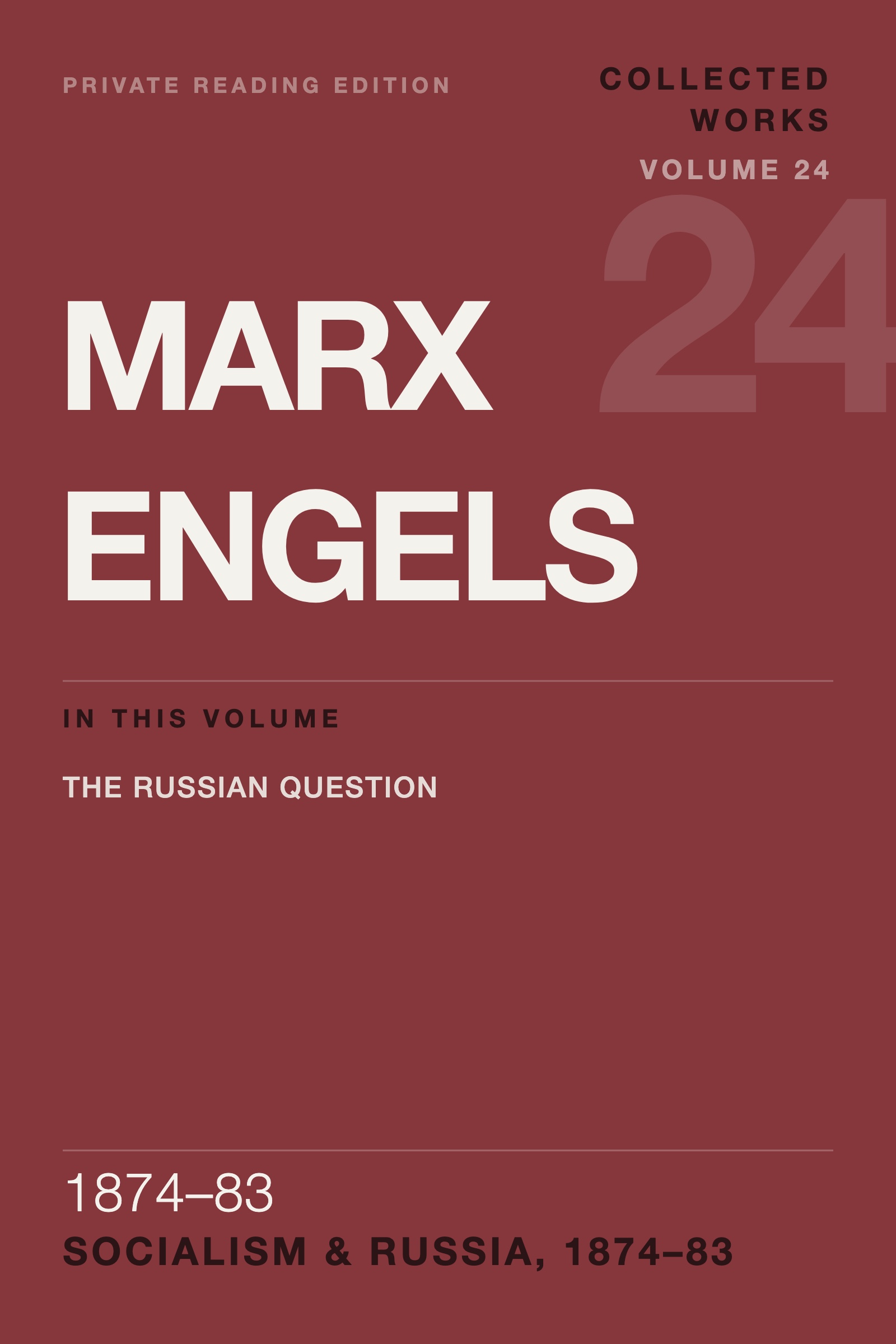 Volume 24
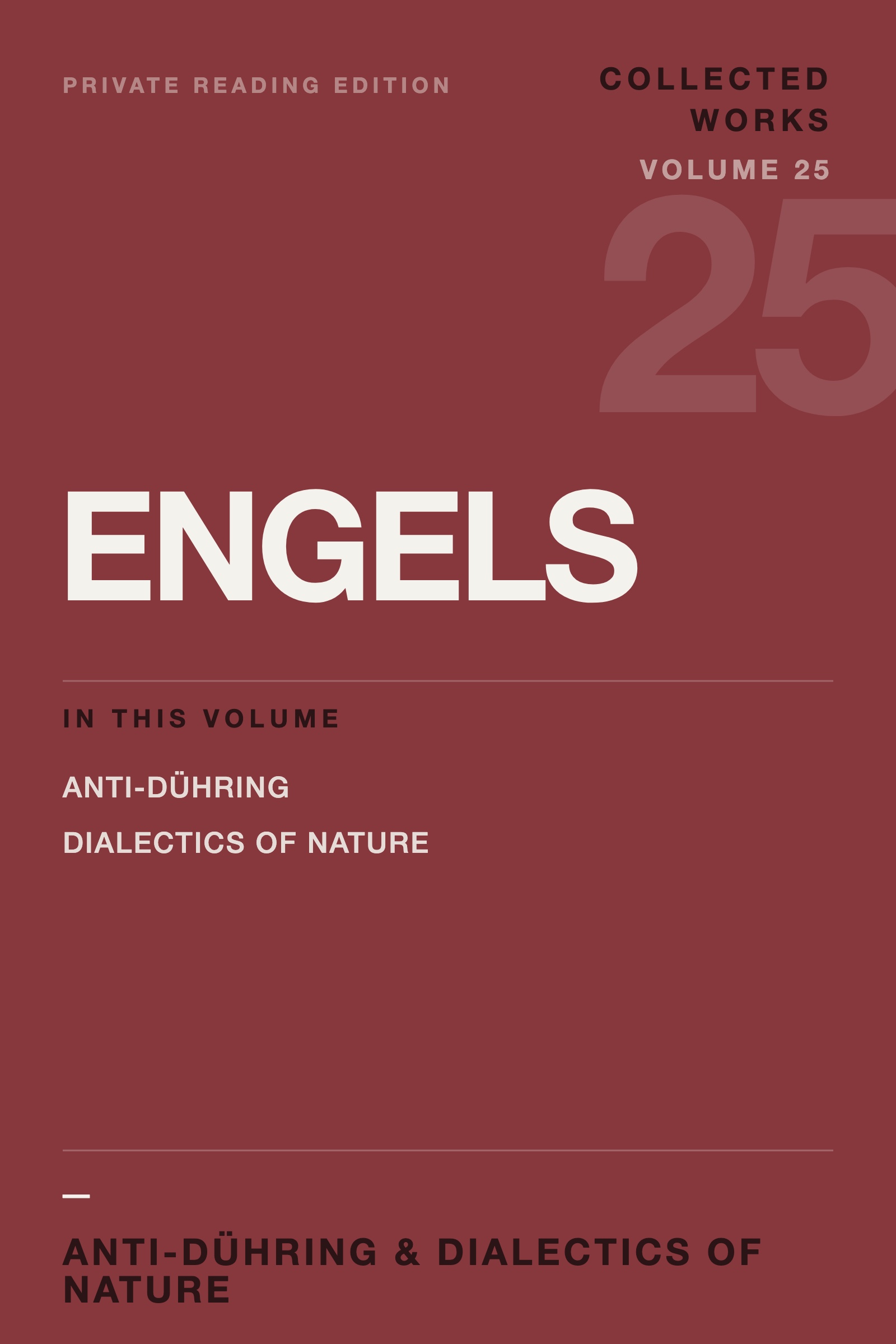 Volume 25
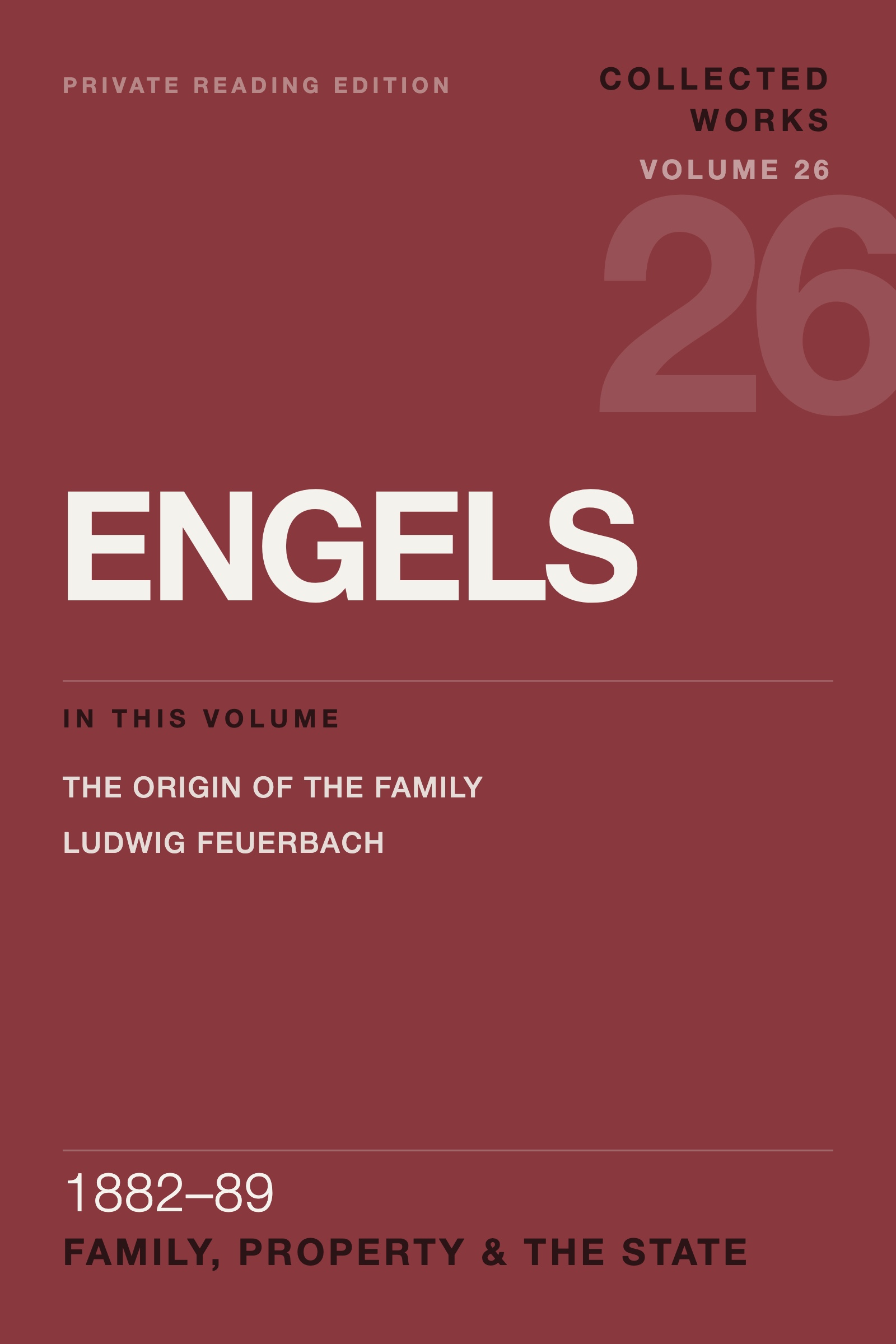 Volume 26
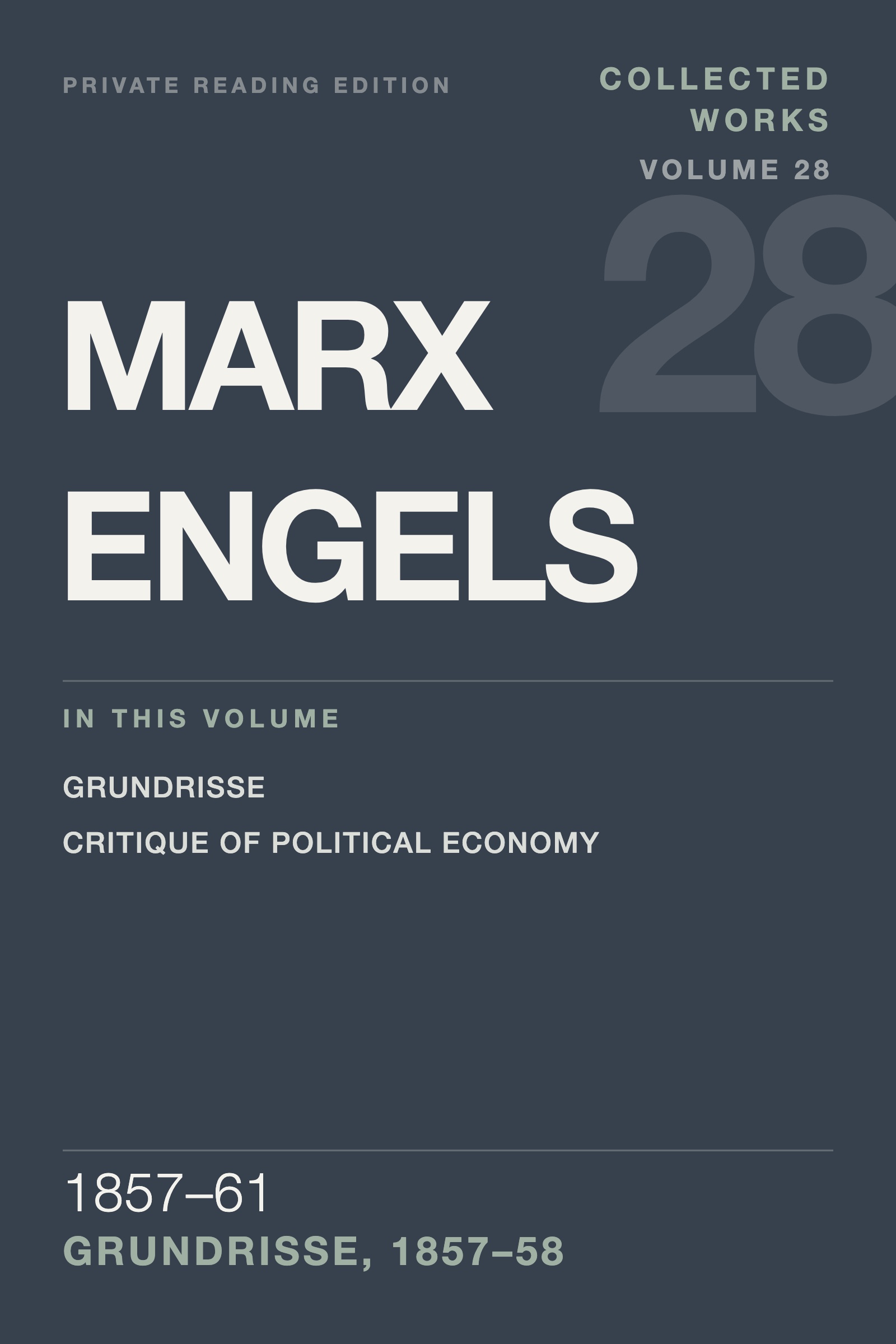 Volume 28
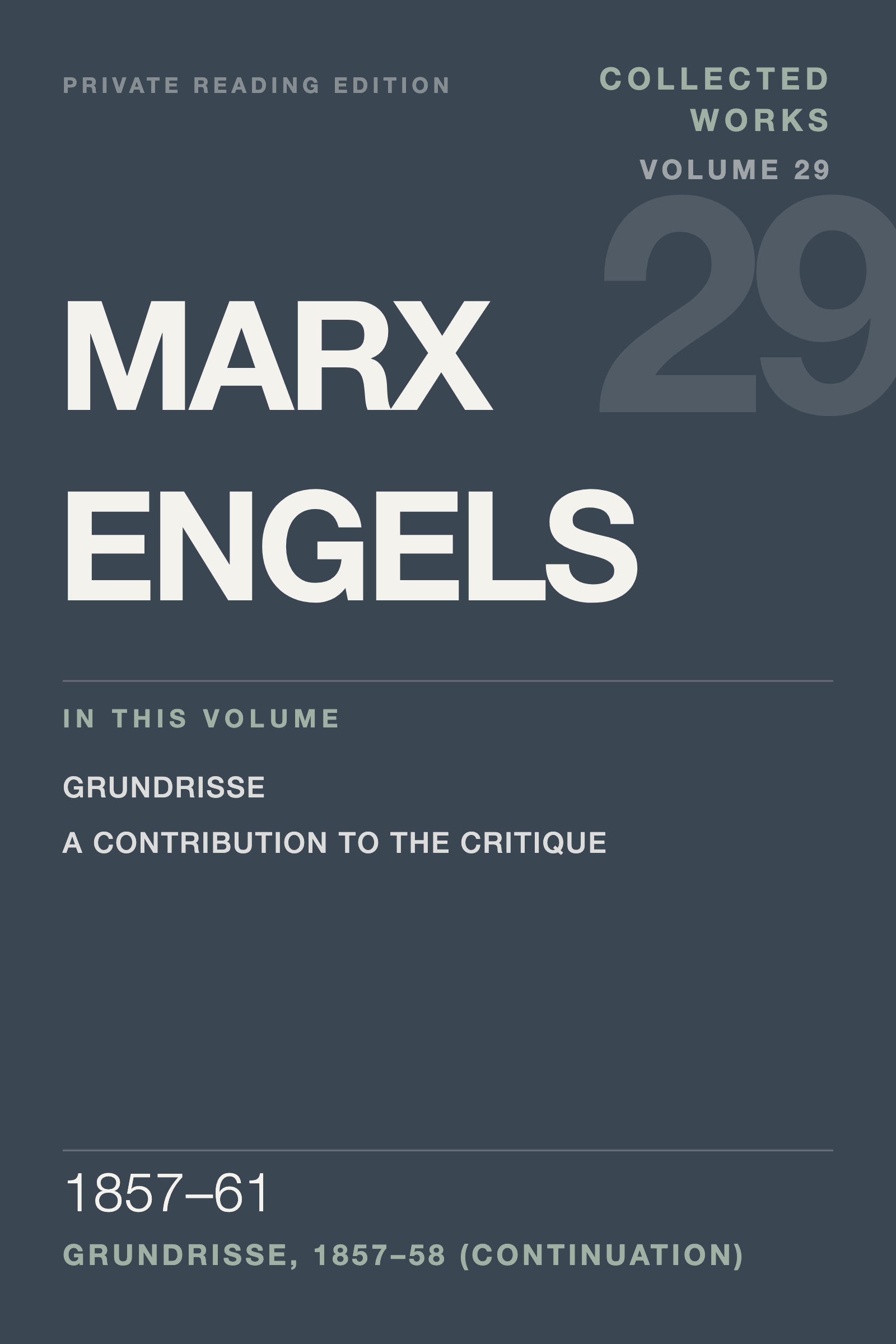 Volume 29
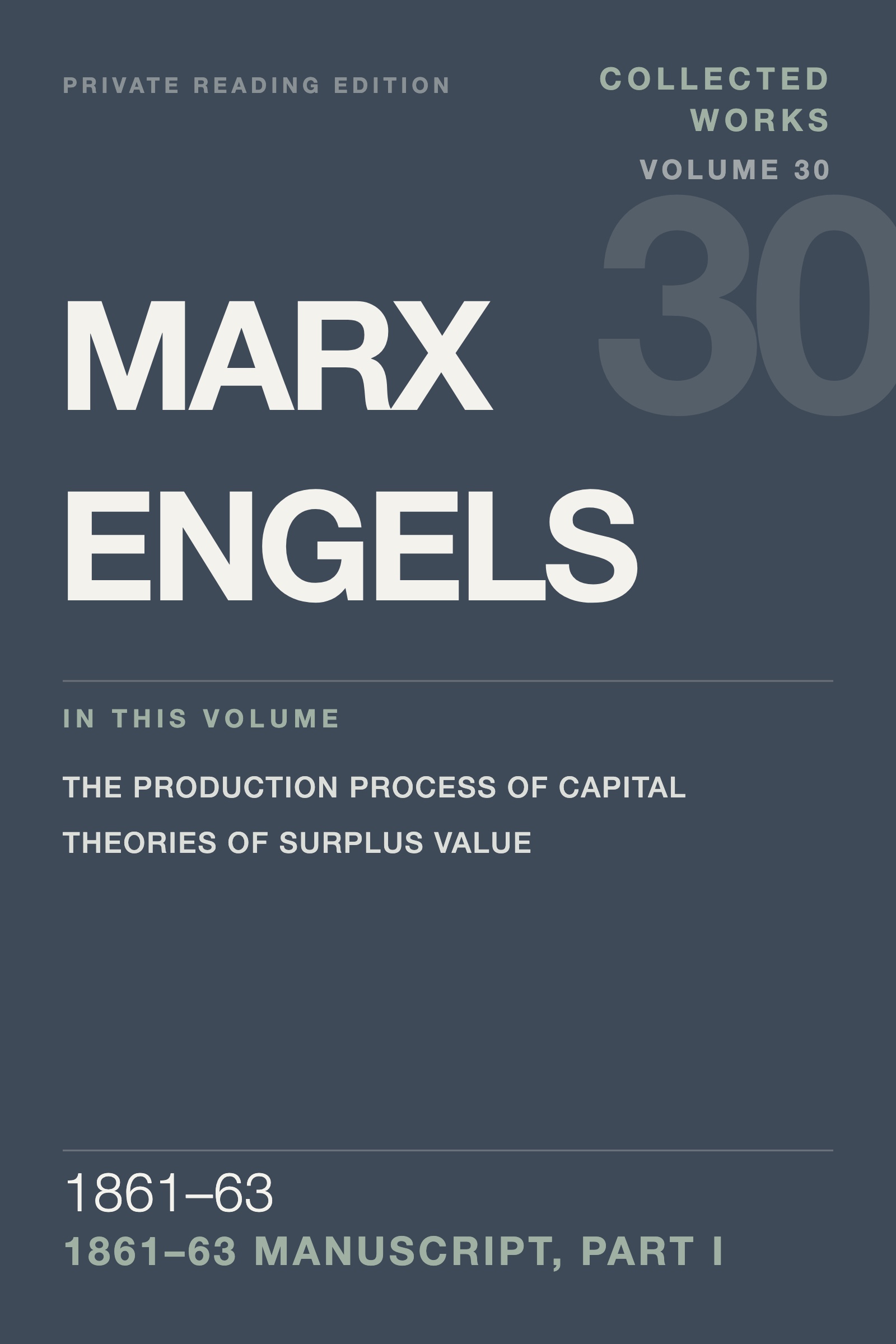 Volume 30
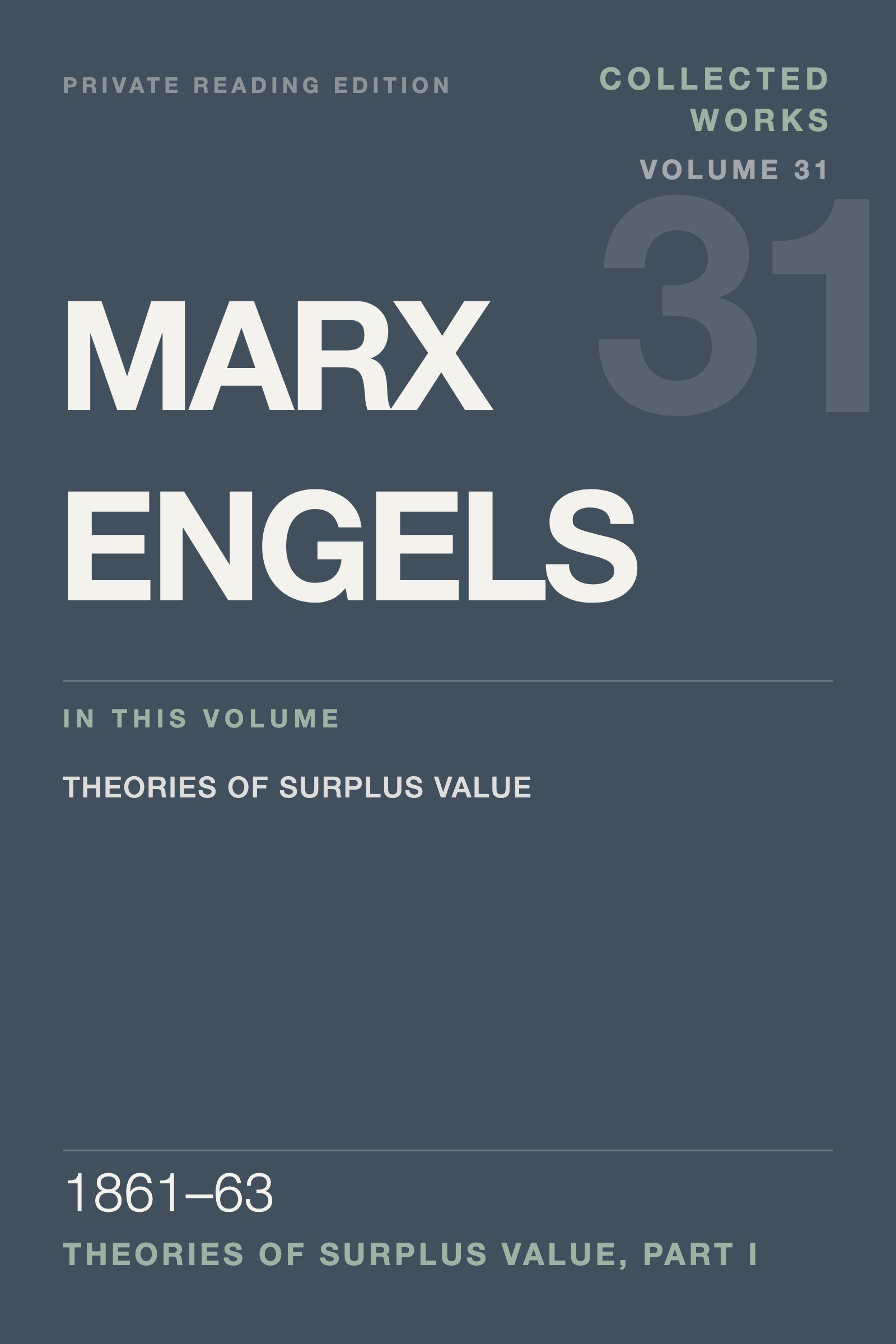 Volume 31
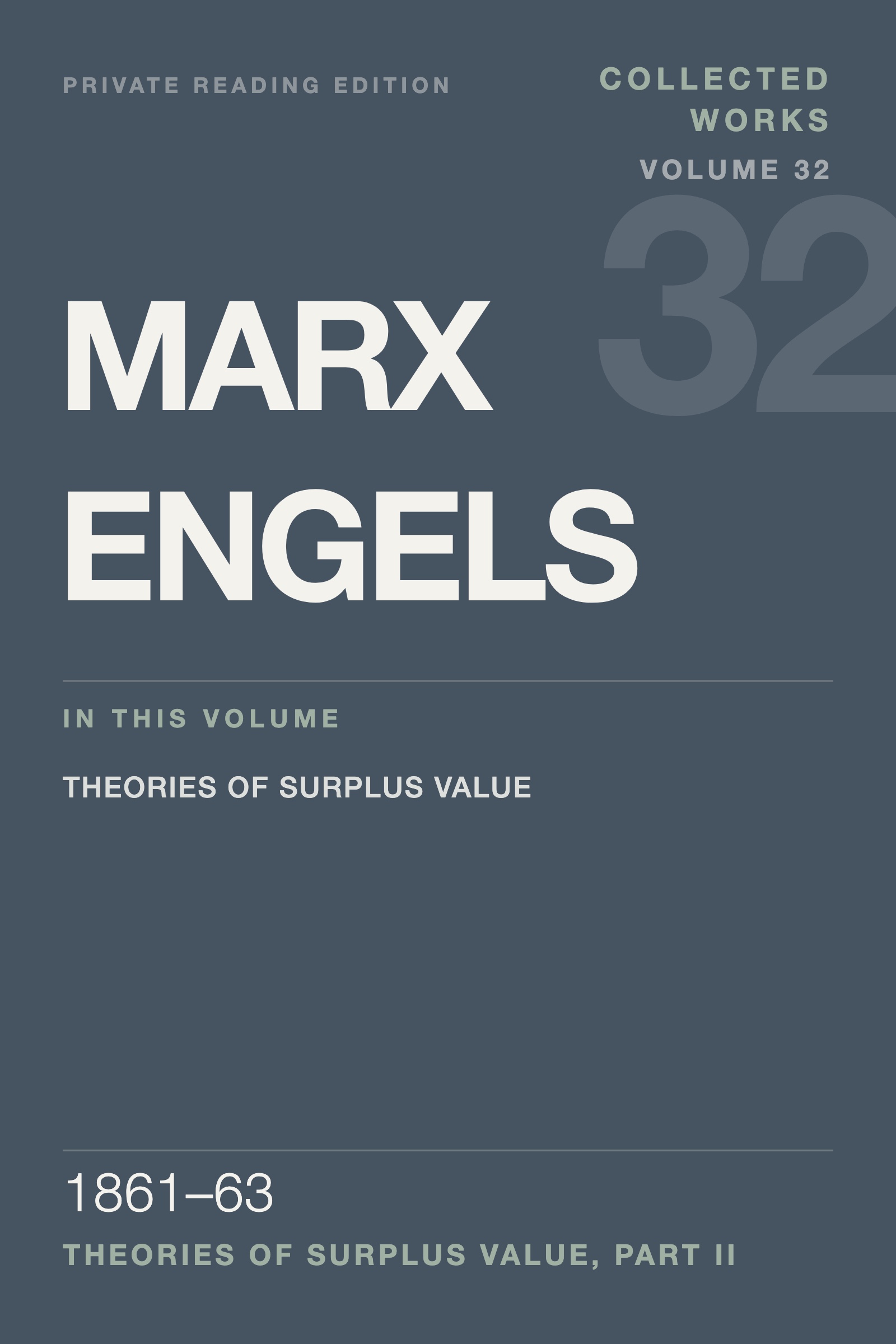 Volume 32
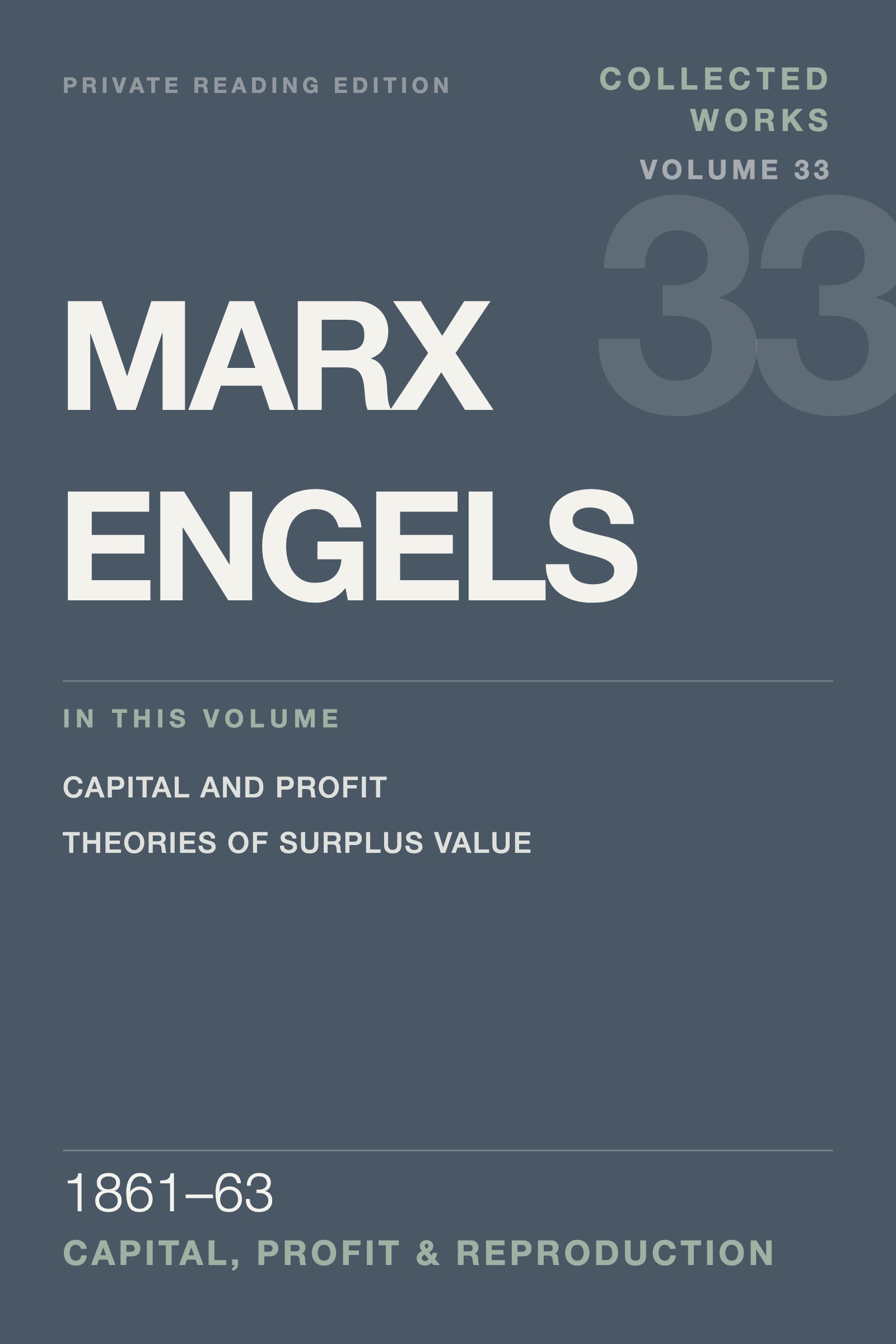 Volume 33
 Volume 35
 Volume 36
 Volume 37
 Volume 38
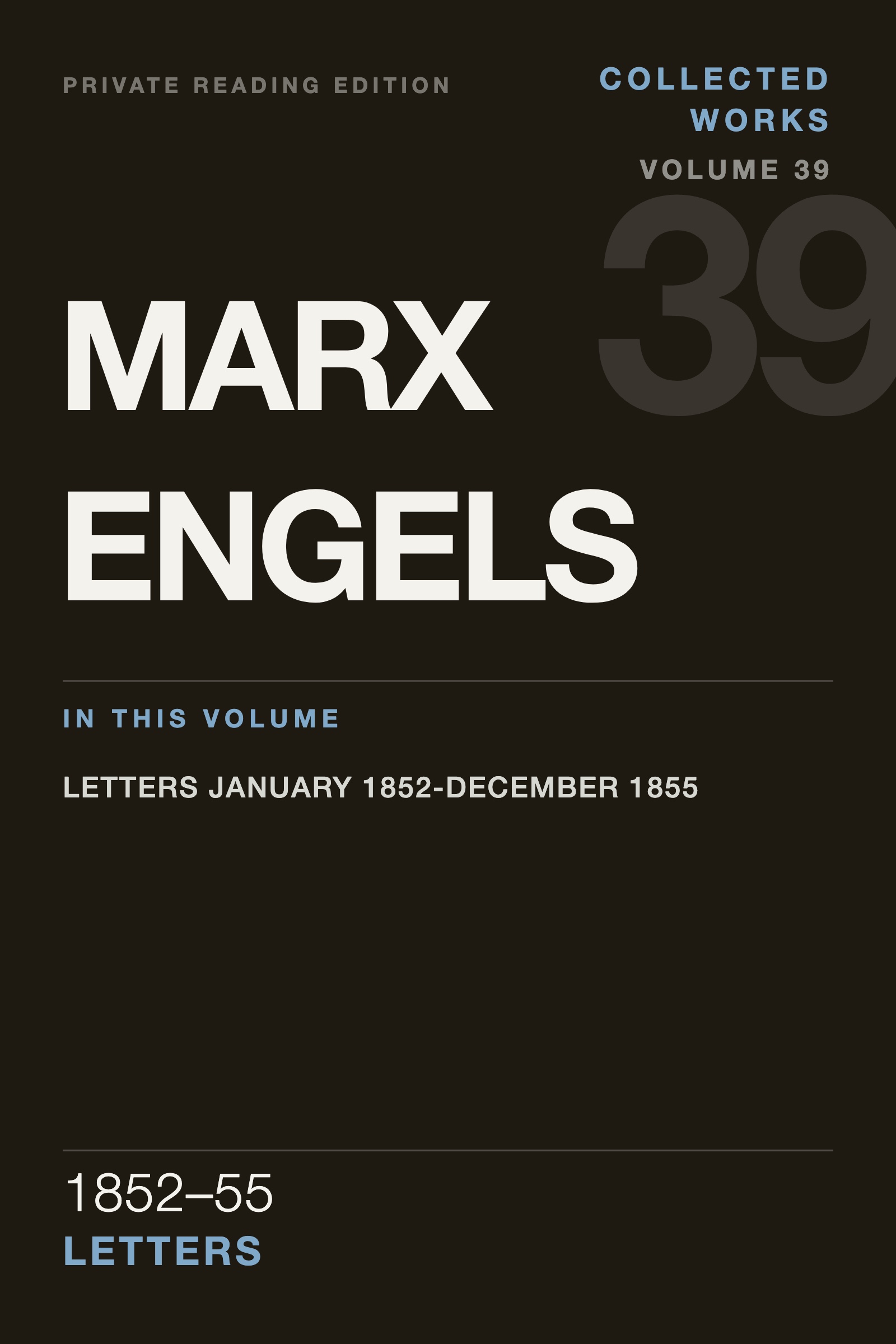 Volume 39
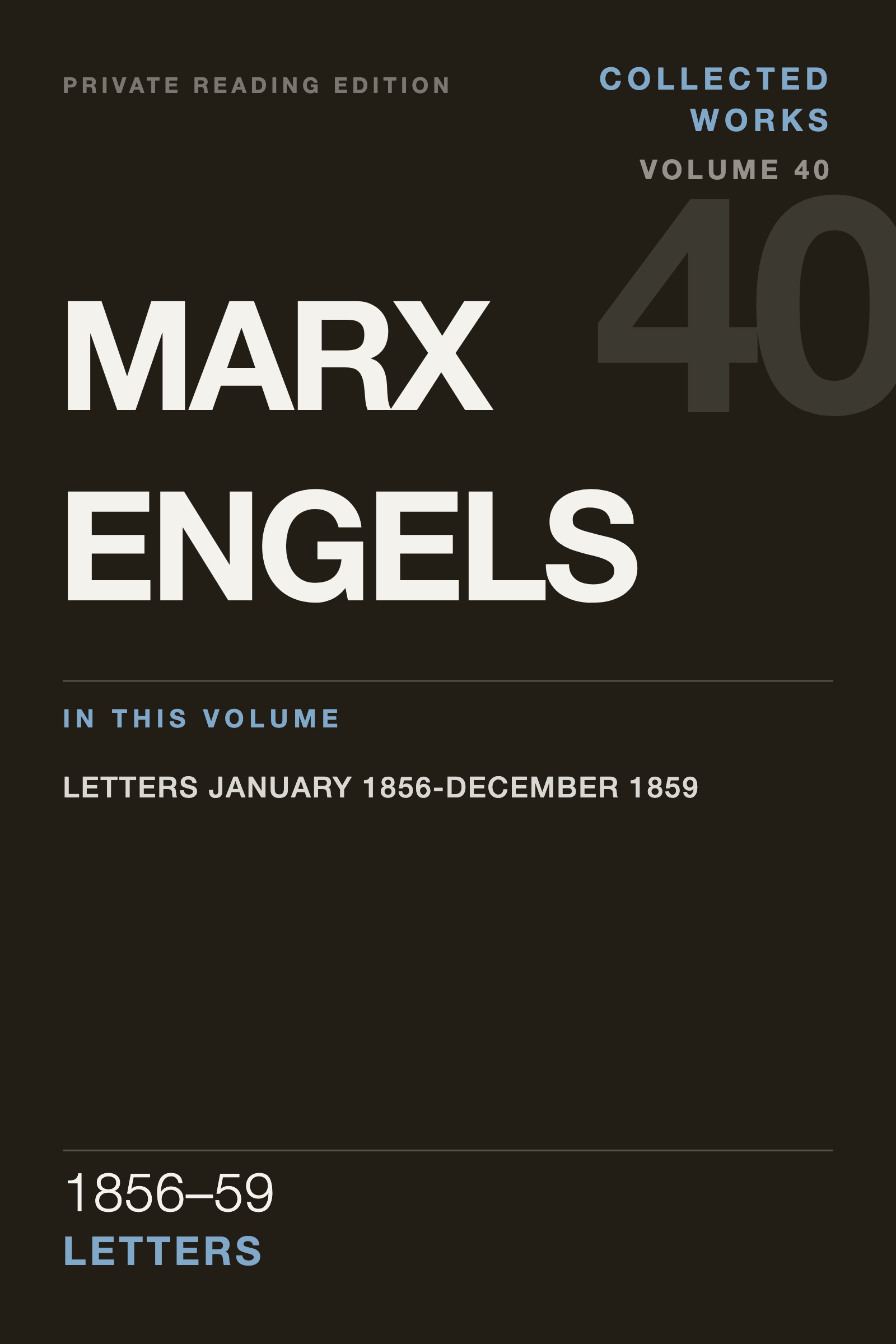 Volume 40
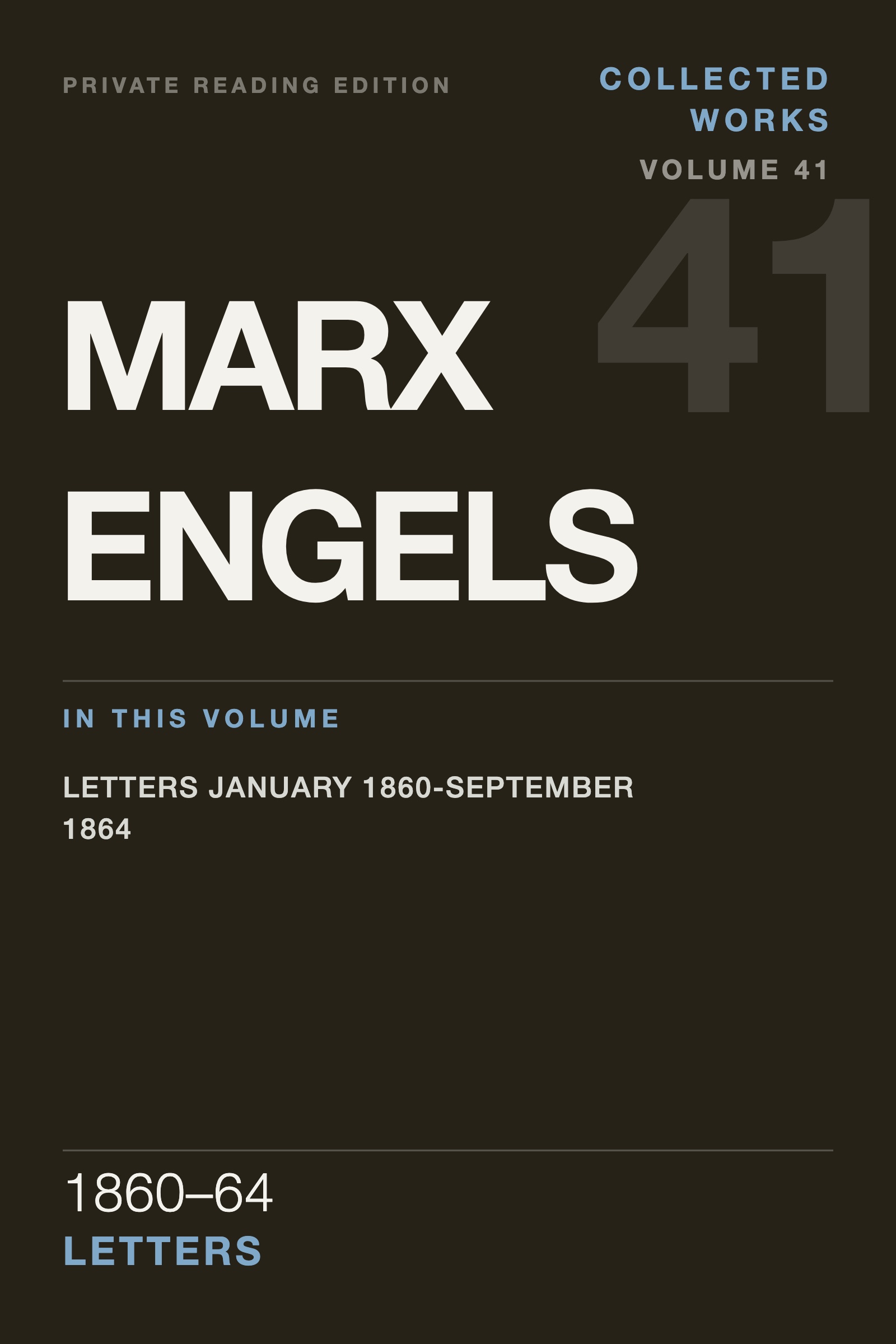 Volume 41
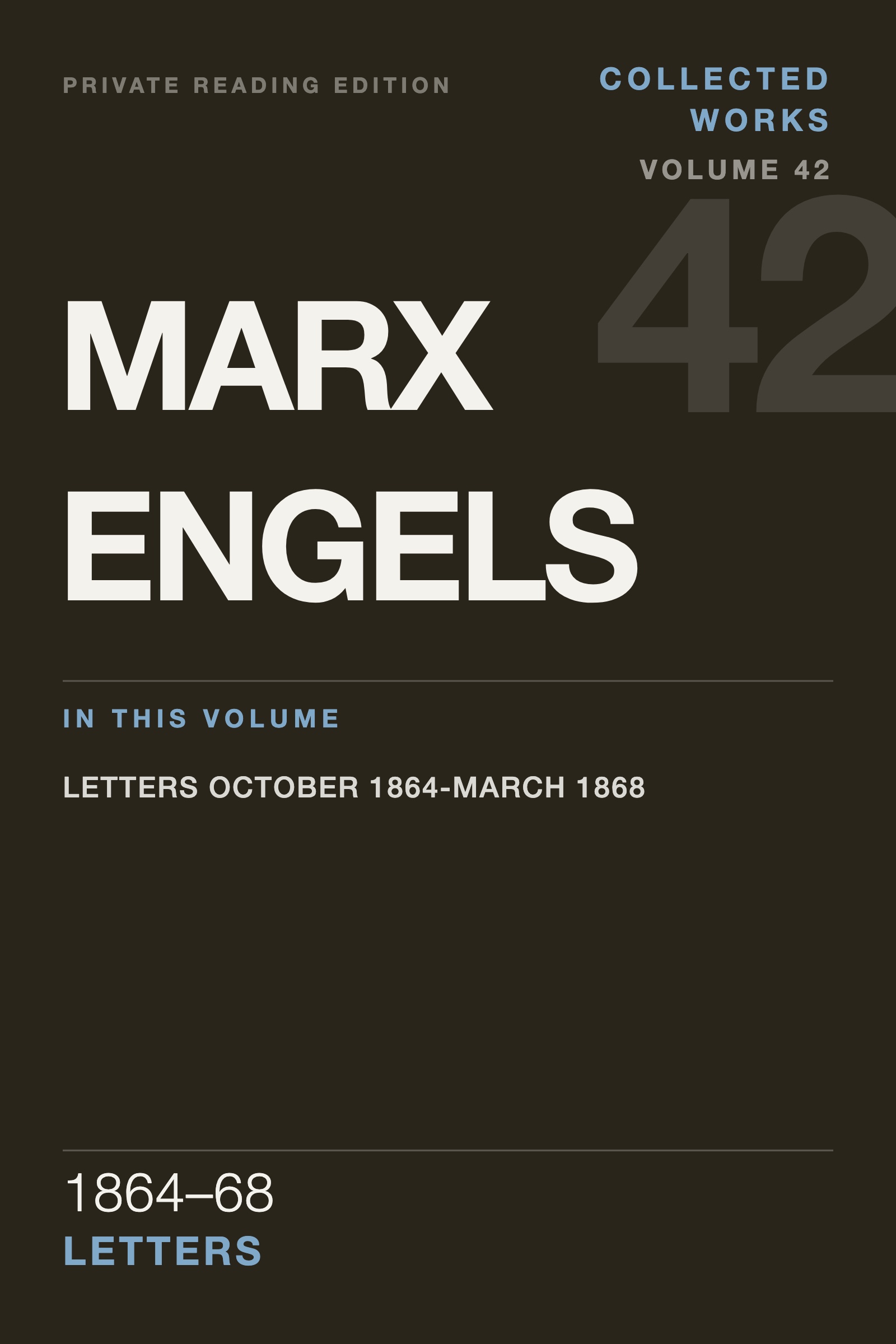 Volume 42
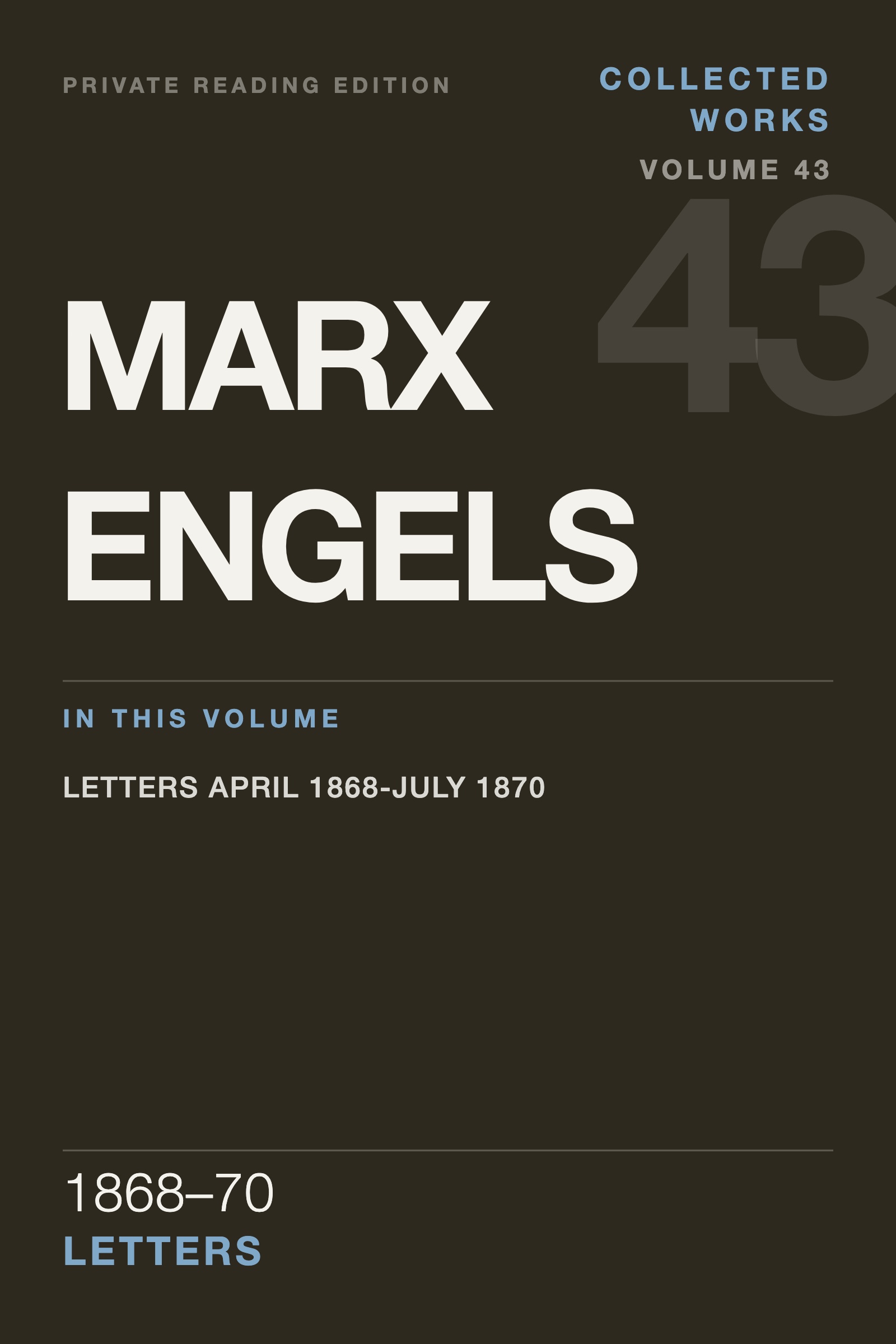 Volume 43
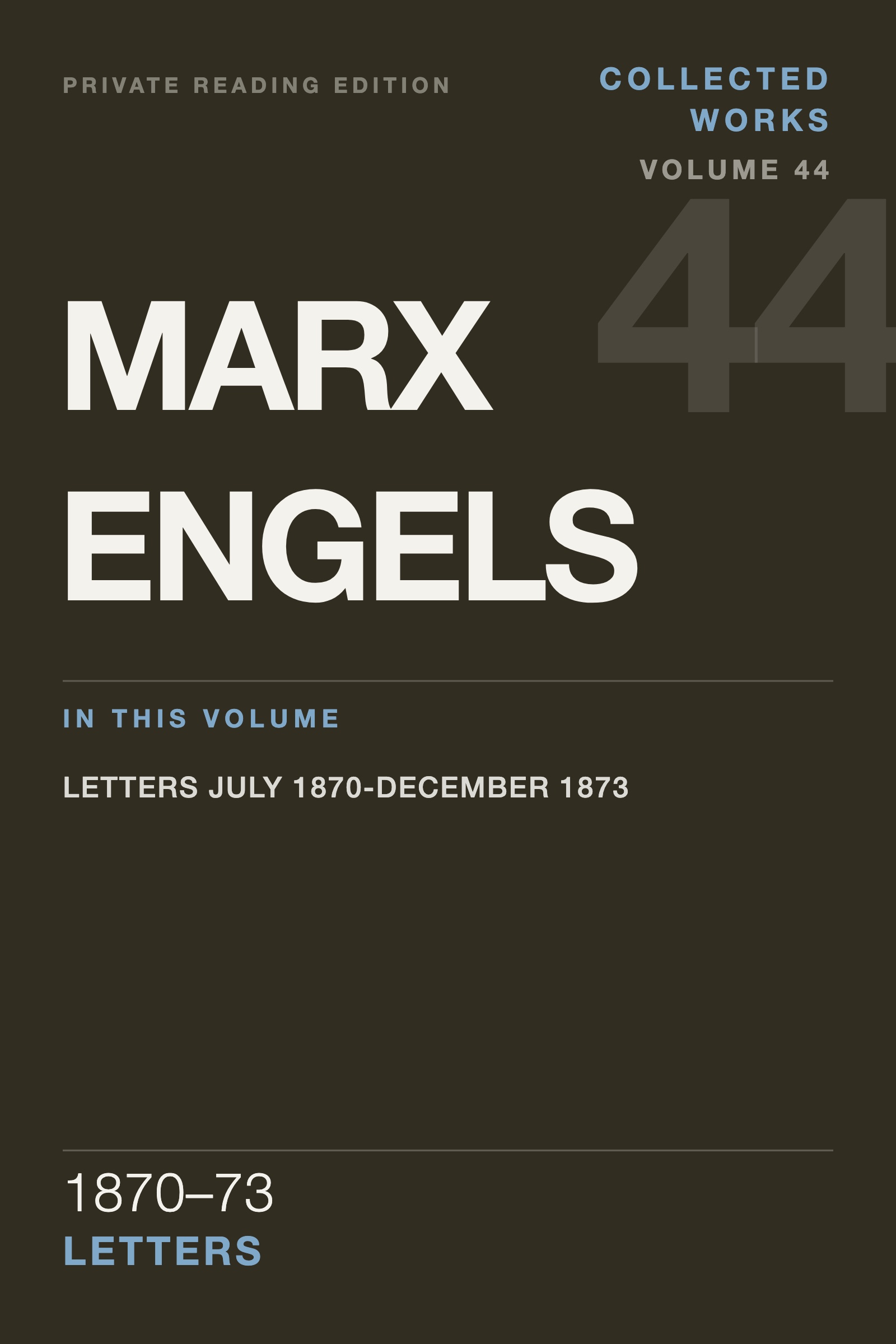 Volume 44
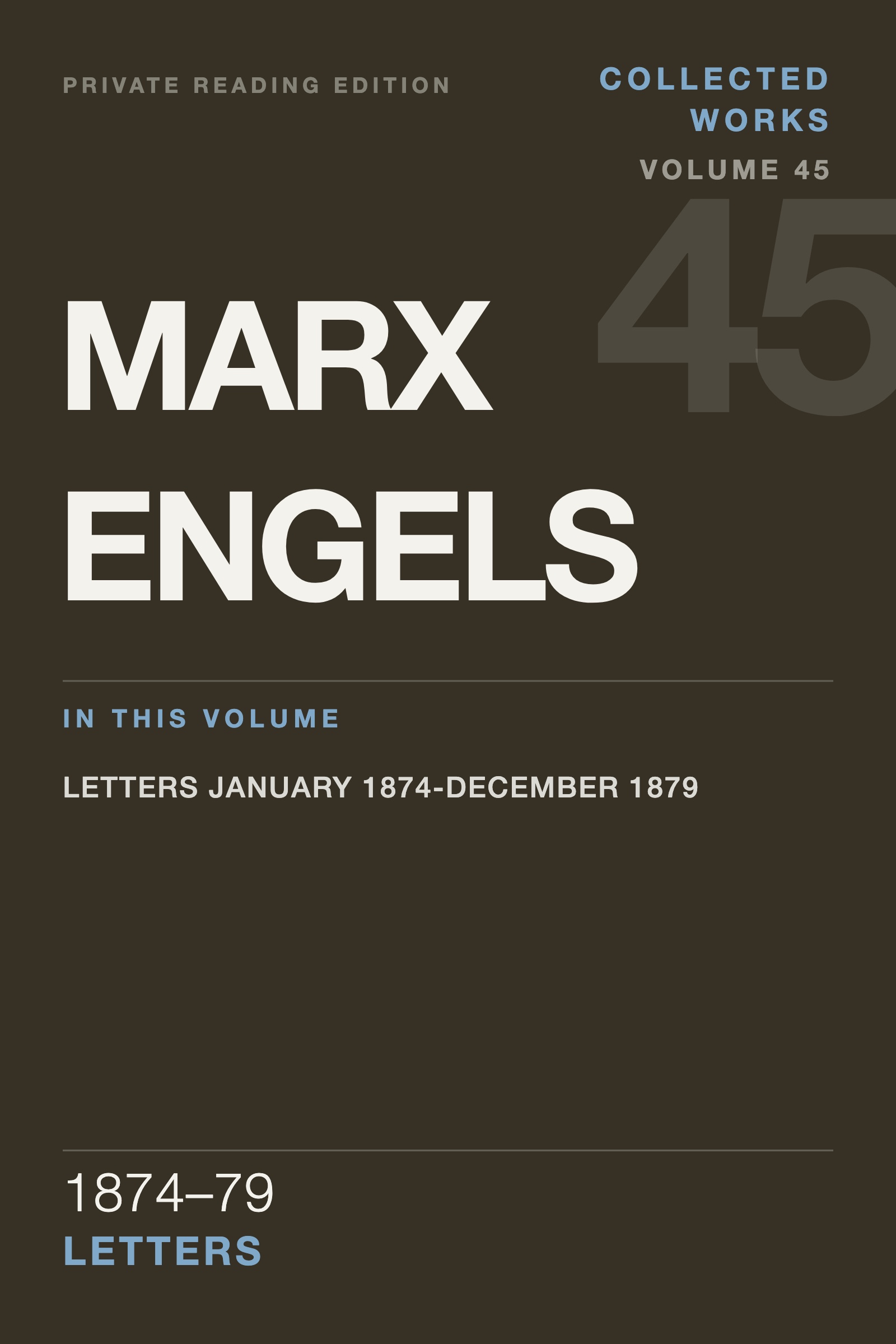 Volume 45
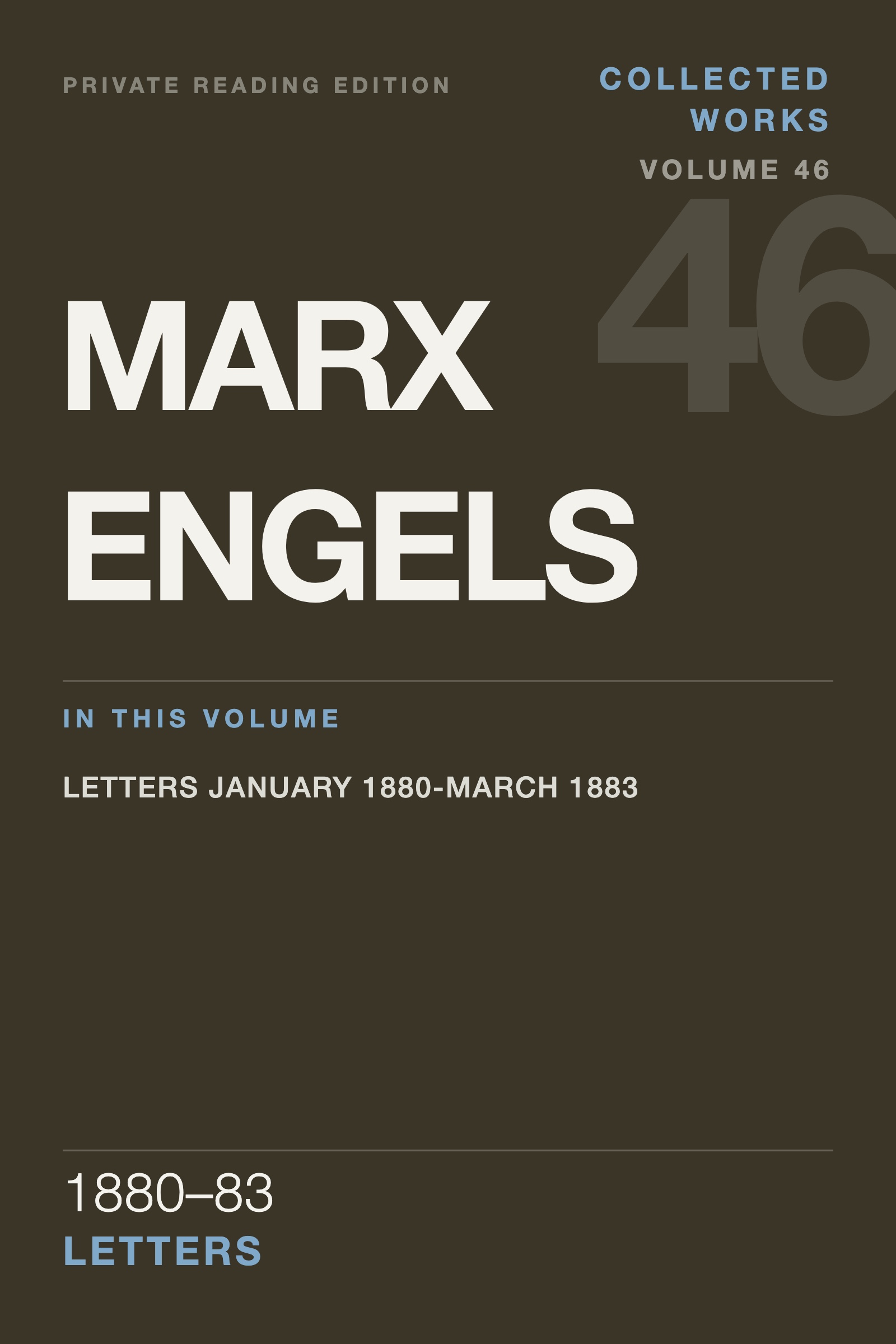 Volume 46
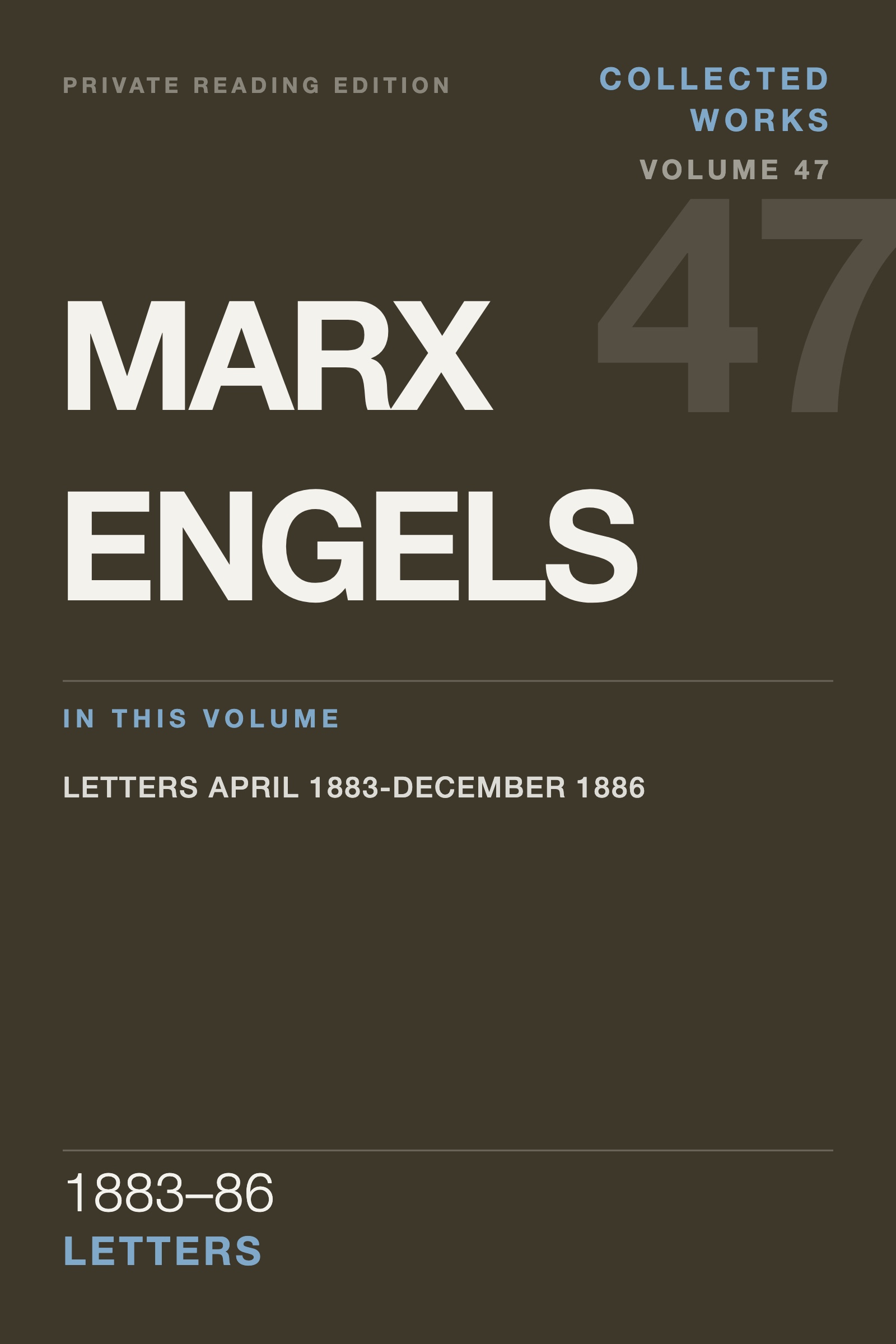 Volume 47
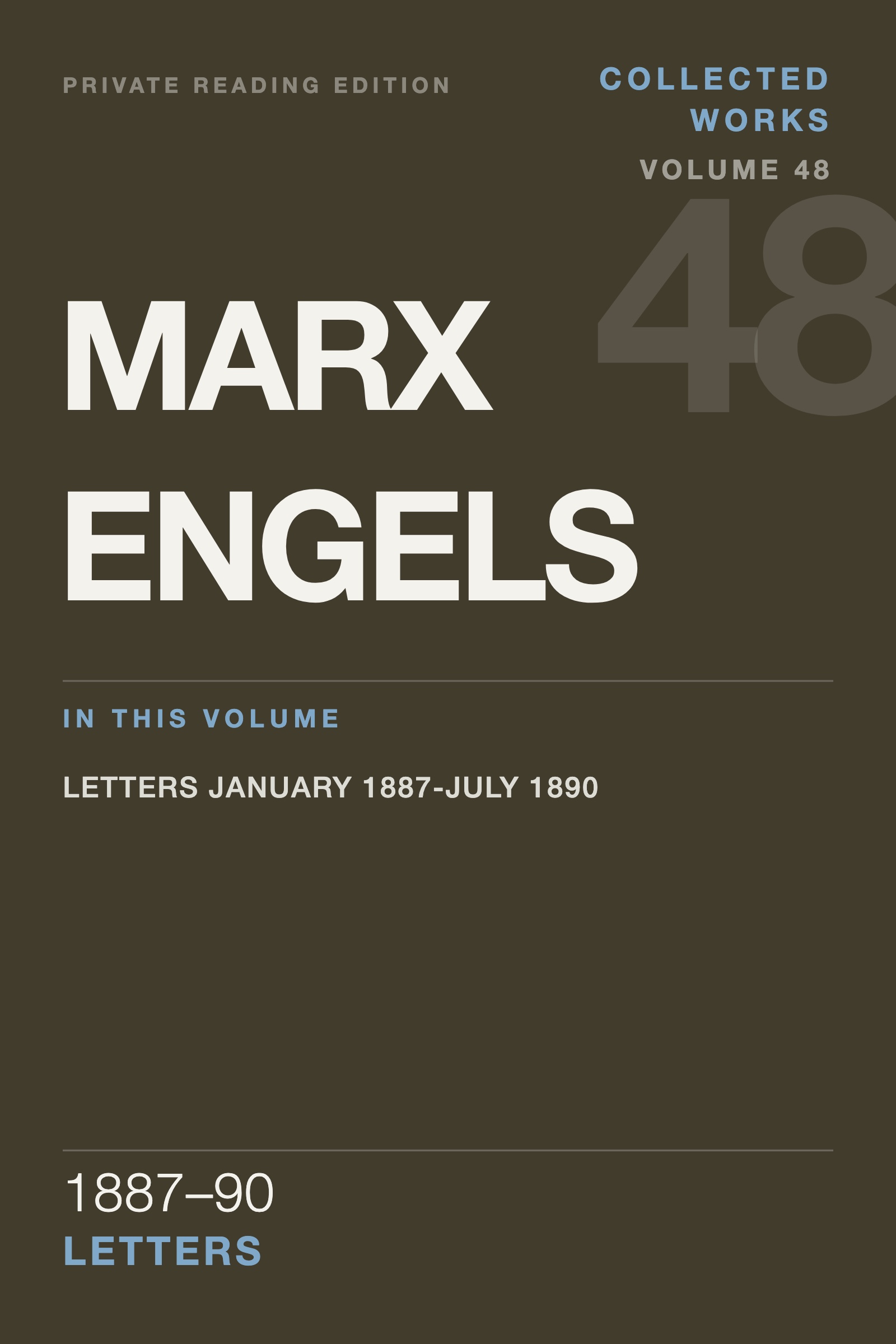 Volume 48
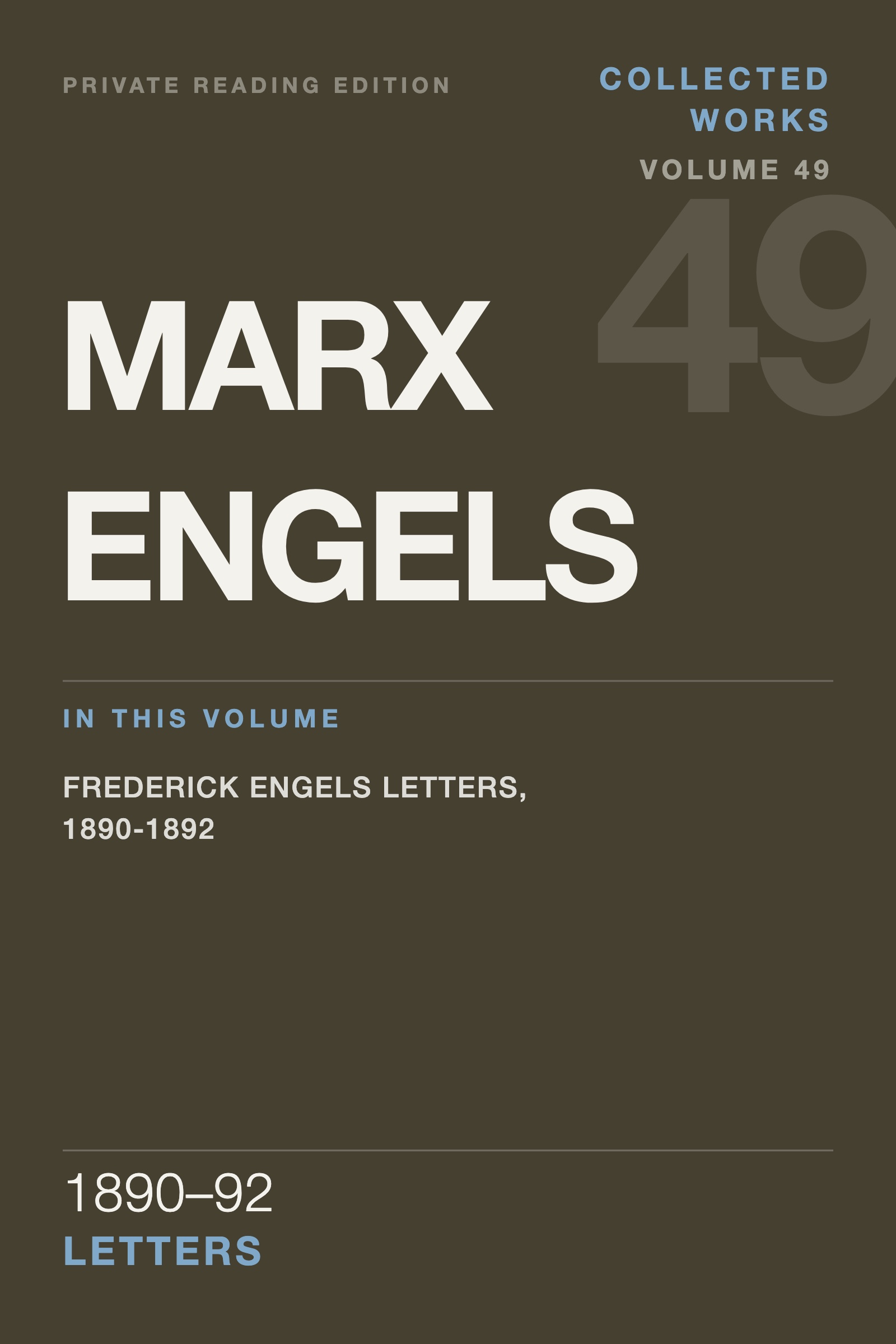 Volume 49
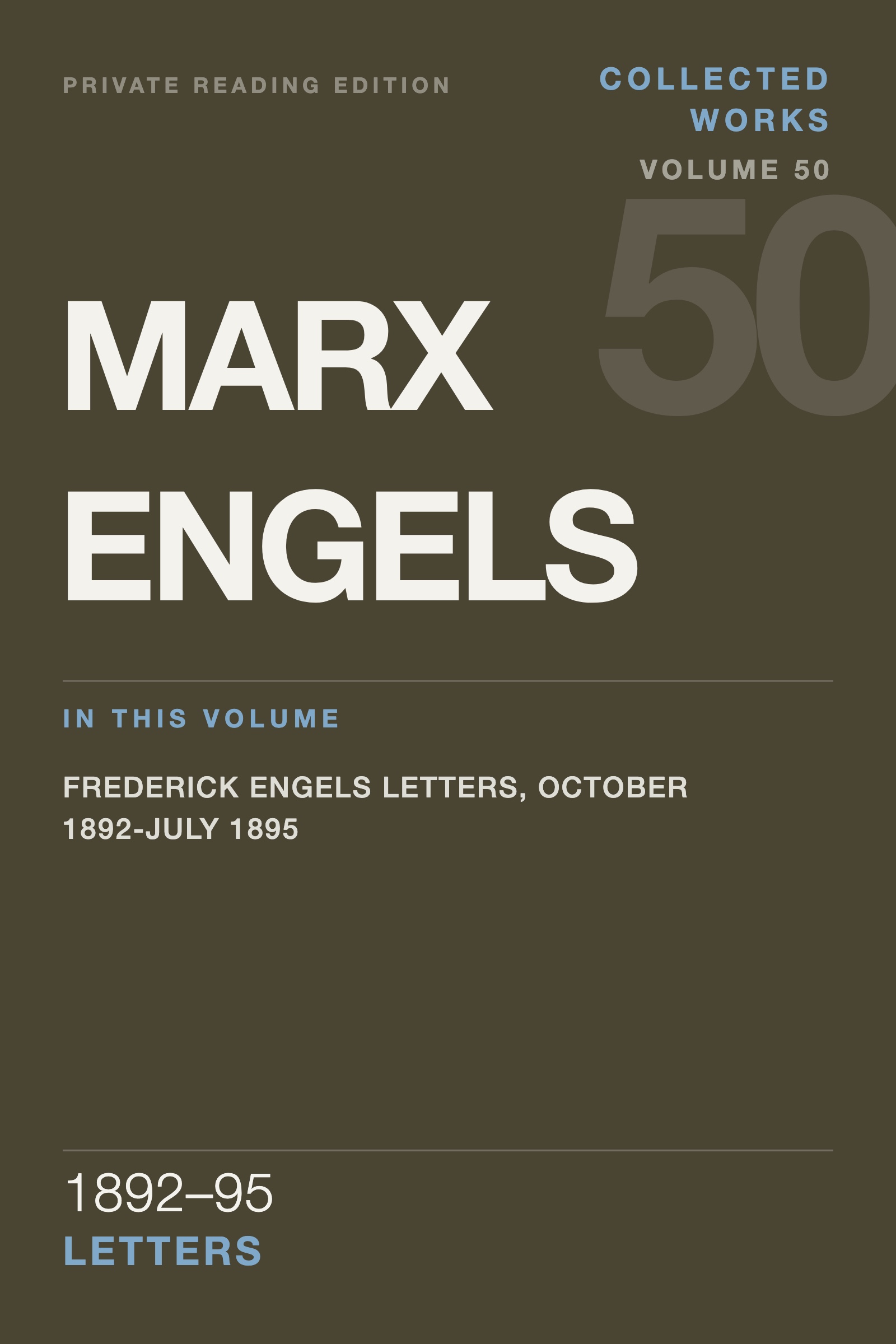 Volume 50