The First World War: A Marxist Analysis of the Great Slaughter
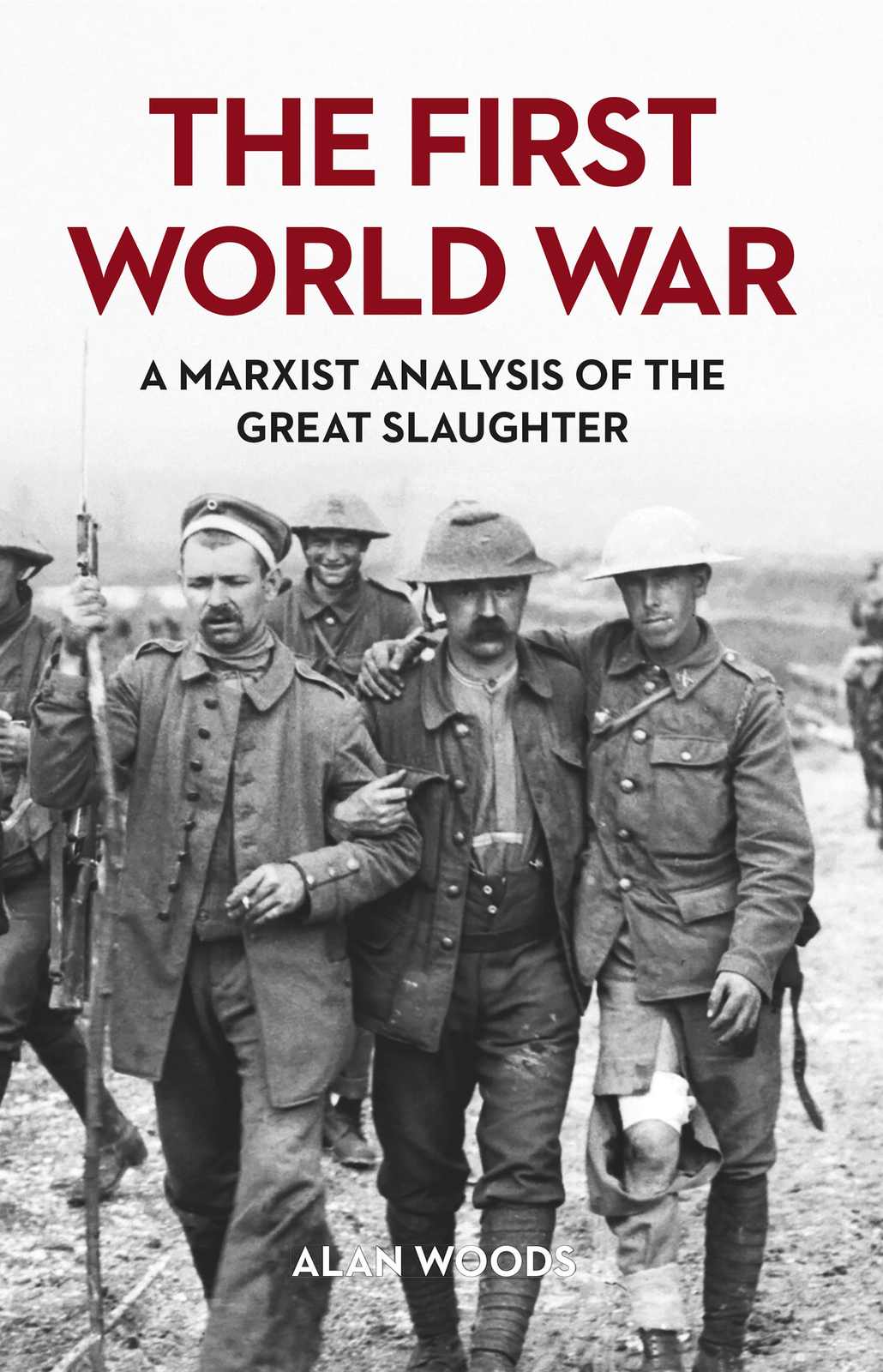
On 28 June 1914, two pistol shots shattered the peace of a sunny afternoon in Sarajevo. Those shots reverberated around Europe and shattered the peace of the whole world. This was the beginning of the Great Slaughter. Could it have been avoided? Alan Woods uses the method of Marxism to answer this question. He explains that, actually, whilst individuals play an important role in history, to explain events such as wars, one must look at deeper causes. As well as dealing with the origin of the war, Woods traces the conflict through its development, looking at the role of all the major actors, and their aims. He shows how in the midst of the despair of the trenches and the home front, a new consciousness was formed. He also makes the case that it was the German Revolution that brought the war to an end, and how a revolutionary wave swept across Europe. The book also looks at the Treaty of Versailles and how the victorious powers imposed the deal, not just on Germany, but the rest of Europe and the Middle East. Given the amount of nationalistic mystification from all sides about the First World War, a history of the subject from the standpoint of the world working class is essential and it is provided by this book.
Contents
- Dedication
- Contents
- Introduction
- 1. Assassination in Sarajevo
- 2. On the Brink of the Abyss
- 3. The Strange Story of the Kaiser and the Tsar
- 4. Into the Abyss
- 5. The Great Slaughter Begins
- 6. Wilfred Owen and the Muse of War
- 7. Tsarist Russia and the War
- 8. Turkey Joins the War
- 9. Victims and Aggressors
- 10. The USA: War is Good for Business
- 11. Big Bandits and Small Bandits
- 12. Under Fire – The Real Face of War
- 13. 1916-17: The Turning of the Tide
- 14. The Middle East and the Sykes-Picot Treaty: A Poisonous Legacy
- 15. How Revolution Ended the First World War
- 16. The Treaty of Versailles: The Peace to End All Peace
- Epilogue: Revolutionary Optimism
No chapters match your filter.