Women Family and the Russian Revolution
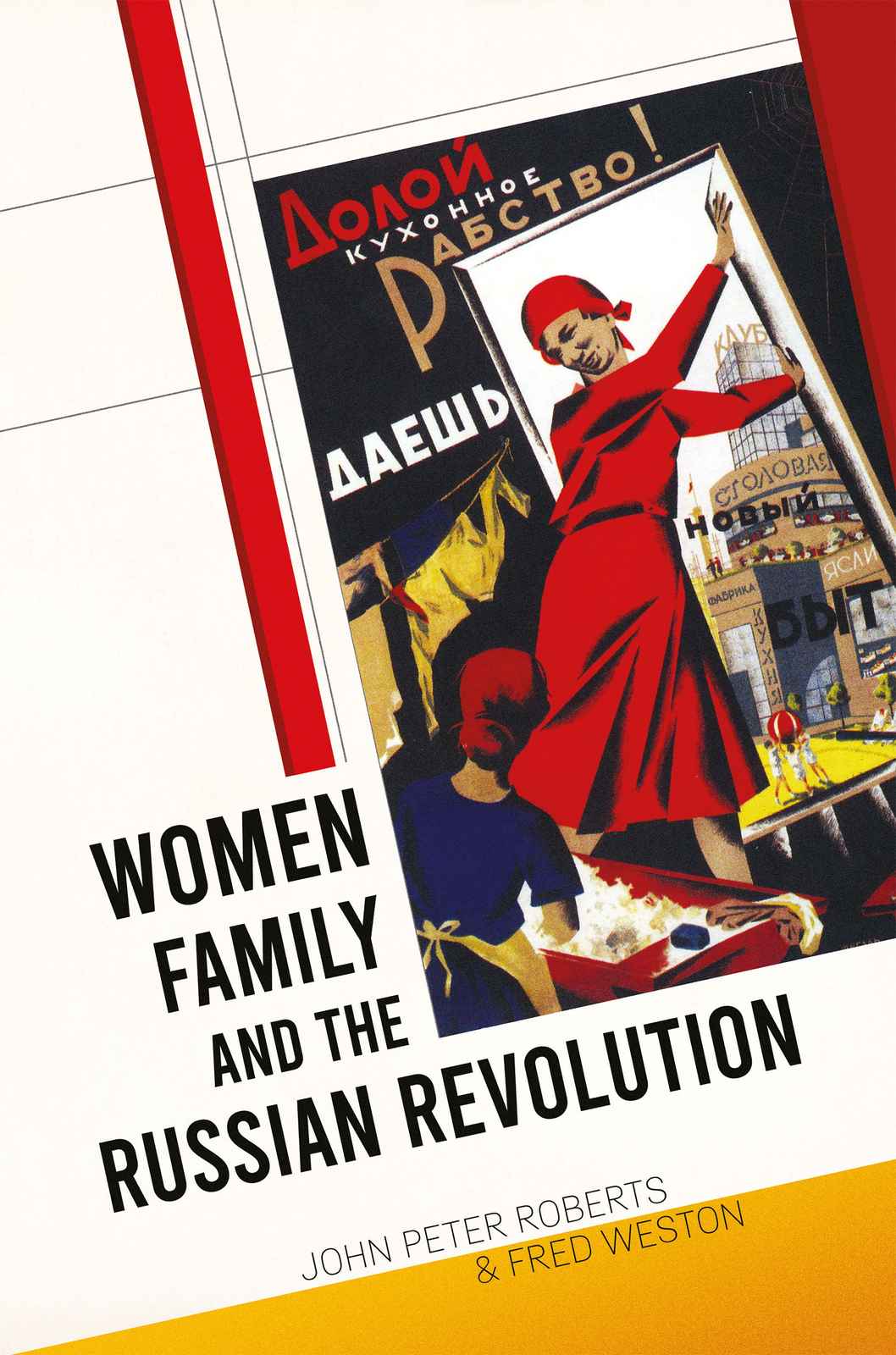
The Bolsheviks came to power in a workers’ and peasants’ revolution supported by the great majority of Russian women. Abortion was legalised immediately and made available to women without charge. For the first time wives were empowered to divorce their husbands, and many took the opportunity. In a society in which few homes had any basic amenities, it was envisaged that women would be freed from household drudgery by child-care centres, communal dining halls, and public laundries; and the predictions of Engels that mutual affection and respect would underpin relations between the sexes would be realised. Under socialism the bourgeois family would wither away, releasing women from kitchen slavery and bringing them equality with men. But the betrayal by Social Democracy of the revolutionary upsurge following the First World War, and the pressure of imperialism on an isolated, backward, semi-feudal country meant a reactionary bureaucracy usurped political power, imposed a totalitarian regime, and enacted legislation to strengthen the conservative elements within Soviet society, restricting women’s rights to divorce, abolishing the right to abortion, and strengthening the family. This book ends by noting the social and economic degradation imposed on Russian women by capitalist restoration, concluding that only a socialist, proletarian-led revolution can finally achieve women’s emancipation.
Contents
- Acknowledgements
- Abbreviations and Explanatory Notes
- Opening_Quote
- Introduction
- 1. The ‘Woman Question’: Recognition of Women’s Dual Burden
- 2. The ‘Woman Question’: Early Years in Russia
- 3. Working Women of Petrograd Ignite the Russian Revolution
- 4. October 1917: A Proletarian, Socialist Revolution
- 5. War Communism, the Founding of Zhenotdel
- 6. Abortion Rights, New Economic Policy and the Second Conference of Communist Women
- 7. Objective Circumstances Limit Bolshevik Aspirations
- 8. The New Course and the 1926 Family Code
- 9. The First Five-Year Plan, Women in the Workforce
- 10. Collectivisation and Famine
- 11. The Hujum, Unveiling and Collectivisation in Central Asia
- 12. The Second Five-Year Plan, A Woman’s Right to Choose
- 13. The Great Terror
- 14. Women, the Great Patriotic War and ‘Post-Stalinism’
- 15. Women and Capitalist Restoration
- Appendix: Capitalist Restoration – From Soviet Union to Russian Federation
No chapters match your filter.